
Automotive relays are essential components in modern vehicles, controlling the flow of electrical current to various systems, such as lights, engines, and other critical functions. While these components are generally reliable, they can fail over time, causing disruptions in the vehicle’s operation. Understanding how to diagnose and replace a faulty automotive relay is crucial for vehicle owners and mechanics alike. This article will explore the process of diagnosing a faulty relay, the signs of failure, and step-by-step instructions on how to replace it.
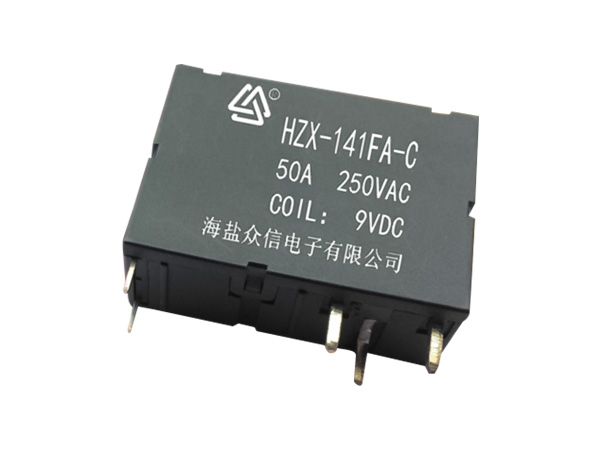
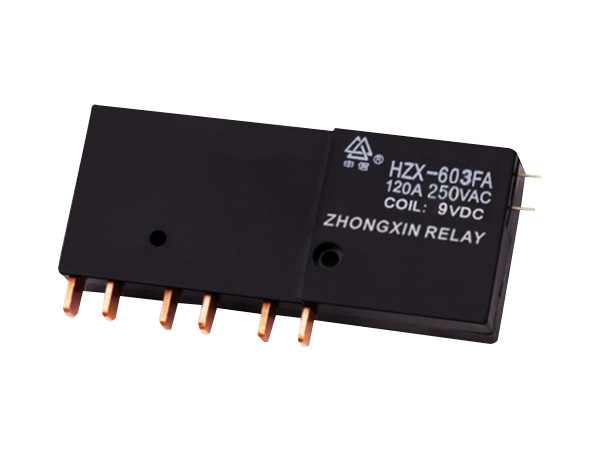
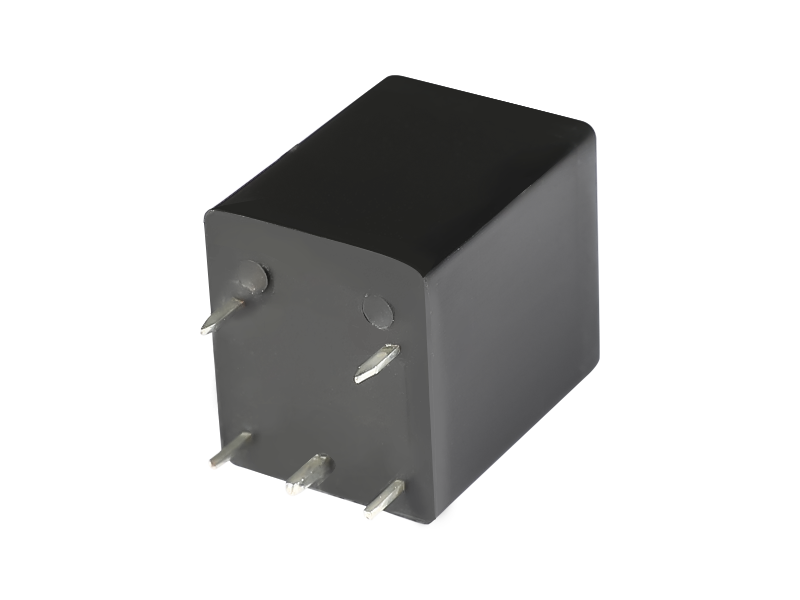
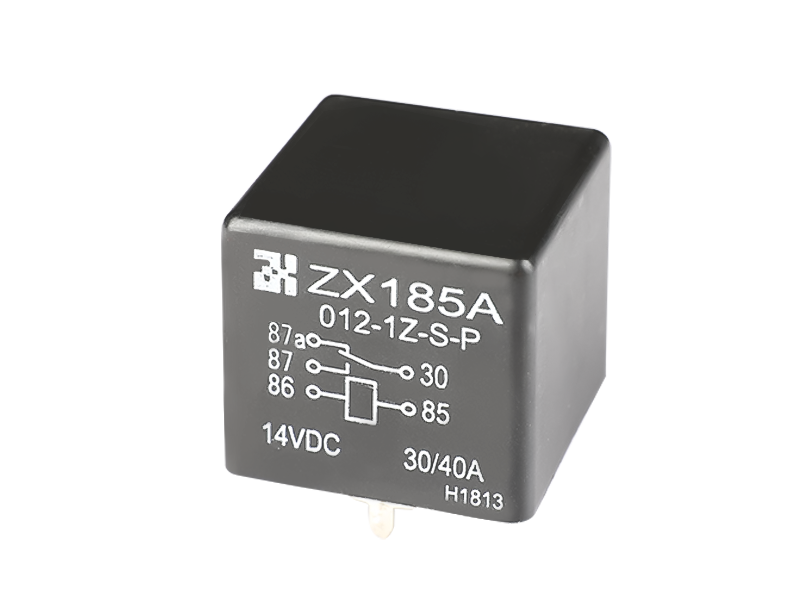
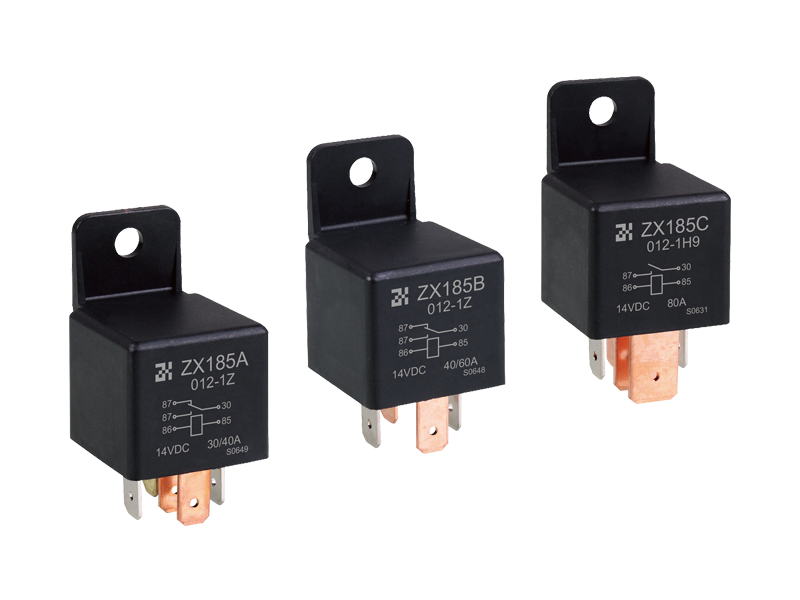
An automotive relay is an electrically operated switch that uses a small current to control a larger current. It is commonly used in vehicles to control power-hungry devices like the starter motor, headlights, air conditioning, and fuel pumps. Understanding the basics of an automotive relay will help in diagnosing and troubleshooting issues effectively.
A faulty automotive relay can cause various symptoms, which may vary depending on the system it controls. Some common symptoms include:
Begin by inspecting the relay visually for signs of damage, such as melted or burnt contacts. Check for any signs of physical wear or corrosion on the relay terminals. Often, this is the easiest way to identify a malfunctioning relay.
To test a relay, you can use a multimeter. Set the multimeter to measure resistance, and check the terminals to ensure the relay is functioning properly. A healthy relay should show continuity when energized, and the resistance should change when the relay is activated.
In some cases, you can swap the suspect relay with a known working relay of the same type and check if the problem is resolved. This method works when dealing with identical relays in the same vehicle.
Relay testers are specialized devices that can be used to test the functionality of a relay outside of the vehicle. These testers simulate the relay’s operation by sending a current to the relay coil and monitoring its switching action.
Once the faulty relay has been diagnosed, locate the relay in the vehicle’s fuse box or relay panel. Most vehicles have a diagram on the cover of the fuse box that indicates the location of each relay.
After identifying the faulty relay, carefully pull it out of its socket. Some relays may require a bit of force to remove, but ensure that you don’t damage the surrounding components.
Insert the new relay into the empty socket, ensuring it is seated properly. Make sure that the relay’s pins match the socket configuration, as an incorrect fit may cause further electrical issues.
Once the new relay is installed, test the electrical system to ensure everything is functioning correctly. If the issue persists, double-check the installation and consider investigating other potential causes for the malfunction.
When selecting a replacement relay, consider the following:
| Relay Type | Application | Current Rating | Function |
|---|---|---|---|
| Standard Relay | General electrical systems | 20-30 Amps | Used for systems such as lights, fans, etc. |
| Fuel Pump Relay | Fuel pump control | 30 Amps | Controls power to the fuel pump. |
| Starter Relay | Starter motor control | 50-100 Amps | Activates the starter motor during ignition. |
| Cooling Fan Relay | Radiator fan control | 20-40 Amps | Controls the cooling fan to regulate engine temperature. |
Q1: What should I do if I cannot find the relay location in my vehicle?
A1: Consult the owner’s manual or seek guidance from an experienced technician to locate the relay. Many vehicles include a diagram on the fuse box cover.
Q2: Can I replace an automotive relay without professional help?
A2: Yes, with proper knowledge and tools, replacing a relay is a relatively simple task. However, if you’re unsure, it’s always to seek professional help.
Q3: How long does an automotive relay typically last?
A3: An automotive relay can last several years, but factors such as vehicle usage and exposure to high temperatures can shorten its lifespan.
Q4: How can I avoid relay failure in the future?
A4: Regular maintenance, proper inspection of electrical systems, and addressing electrical issues early can help prevent relay failure.
Q5: What should I do if my vehicle’s electrical systems are still malfunctioning after replacing the relay?
A5: If the issue persists after replacing the relay, the problem may lie in other components, such as the wiring or control module. A thorough diagnostic check may be needed.

Copyright © 2015-2021, Zhejiang Zhongxin New Energy Technology Co., Ltd. All rights reserved Technical Support:Smart cloud Electromagnetic Relay Manufacturers China Relays Factory


 English
