
Automotive relays are integral components within a vehicle’s electrical system, playing a crucial role in managing various functions and enhancing overall vehicle performance. These small yet powerful devices are designed to control electrical circuits in a vehicle, allowing for greater efficiency, reliability, and safety.
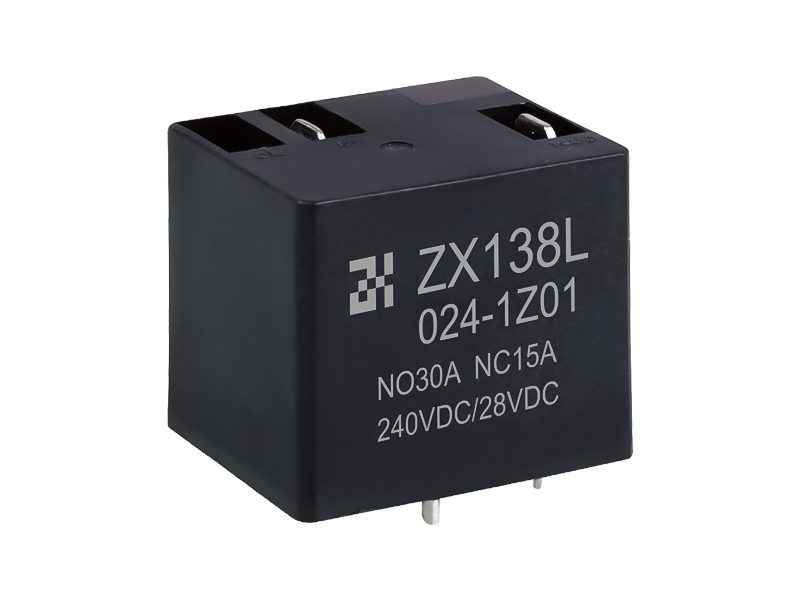
An automotive relay is an electrically operated switch that uses a low voltage signal to control a high voltage circuit. These relays act as a gateway, ensuring that the vehicle’s electrical components, such as lights, starters, and ignition systems, operate correctly. Essentially, relays make it possible to control high-power devices with low-power signals, allowing for more efficient and reliable electrical systems in vehicles.
Circuit Control: Automotive relays enable the precise control of electrical circuits in a vehicle. They switch on or off specific components, such as headlights, fuel pumps, and wiper motors, based on the input signal.
Protection: Relays serve as a protective measure for sensitive components by preventing electrical overloads and short circuits. This ensures the longevity of the vehicle’s electrical system.
Efficiency: By automating the operation of critical electrical components, automotive relays improve the overall energy efficiency of a vehicle’s electrical system.
Safety: Relays contribute to the safety of the vehicle by controlling key systems such as airbags, lighting, and engine functions, ensuring they operate as needed.
Automotive relays come in several different types, each designed for specific applications within the vehicle’s electrical system. The common types include:
Standard Relays
These relays are typically used for basic functions such as controlling the headlights, fuel pump, and ignition system. They are designed to handle standard current loads.
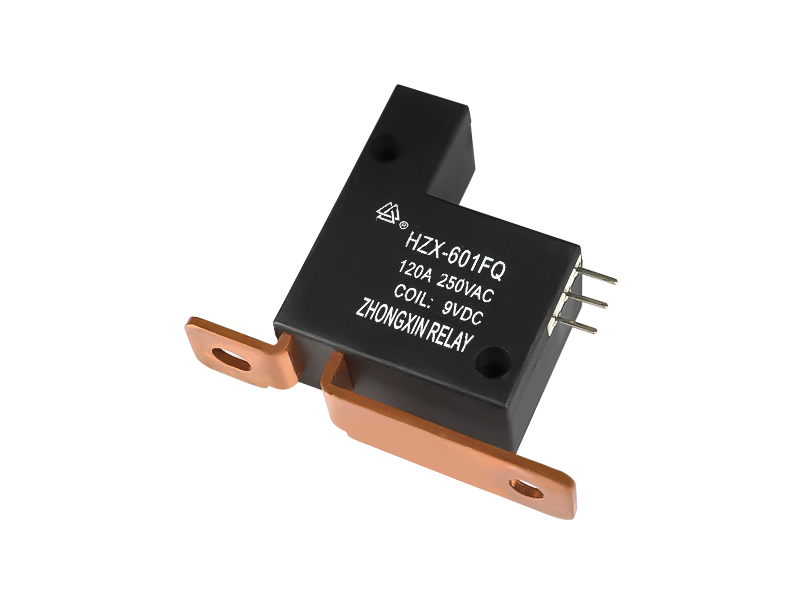
High-Current Relays
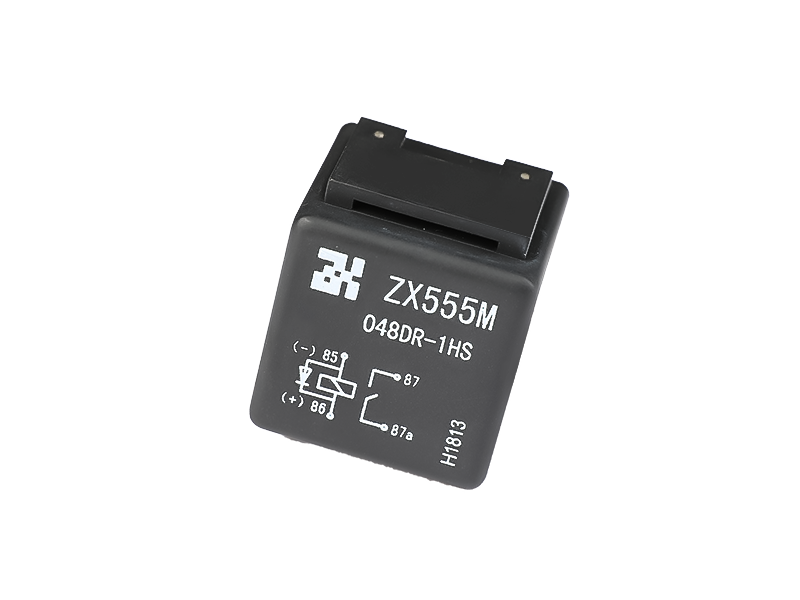
Used in systems that require higher currents, such as electric motors for windows or seats. These relays are built to handle higher voltage and current without compromising performance.
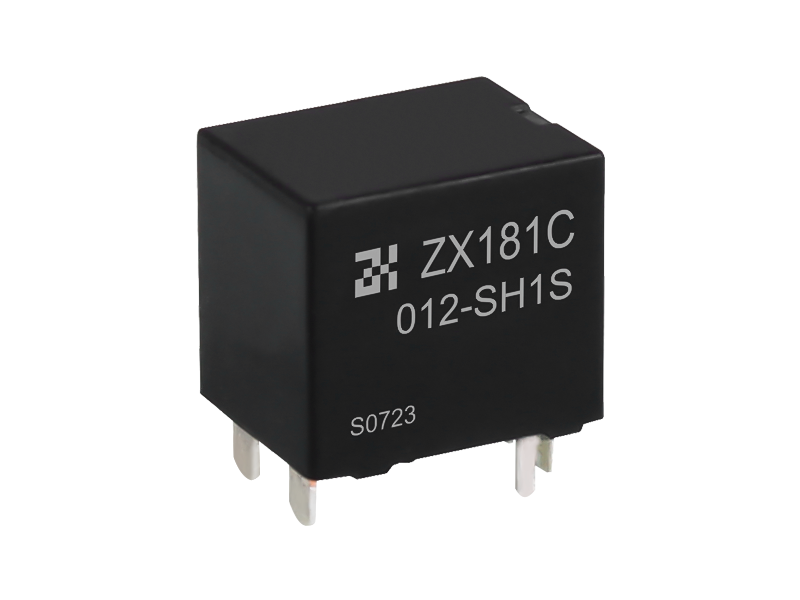
Mini Relays
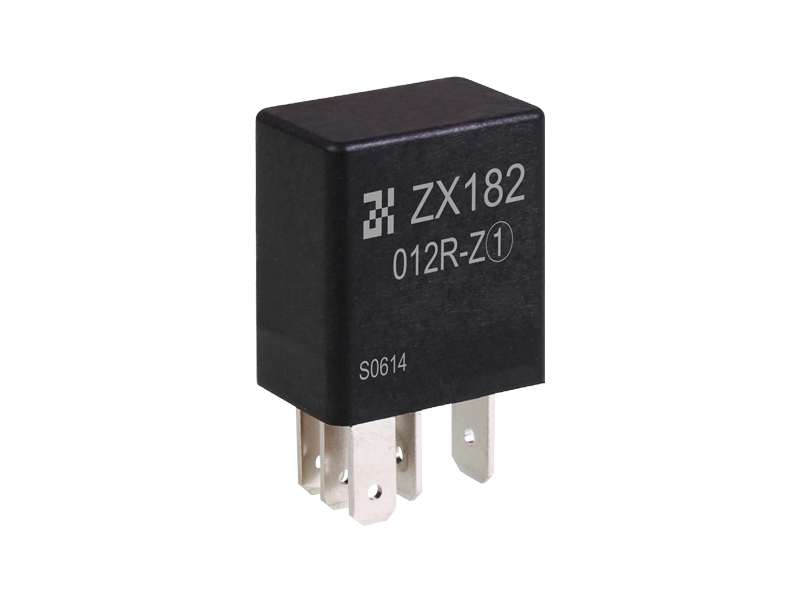
Mini relays are smaller and often found in modern vehicles with more compact electrical systems. They provide similar functionality to standard relays but with a smaller form factor.
Automotive Safety Relays
These relays are designed specifically for safety-critical systems, such as airbags and anti-lock braking systems (ABS), ensuring these components function correctly in emergencies.
Automotive relays contribute significantly to improving a vehicle’s performance in several ways. Here’s a look at how they help:
Automotive relays allow for more efficient management of electrical circuits. By controlling the operation of essential components like headlights, cooling fans, and fuel injectors, relays ensure these systems operate smoothly and reliably, improving the vehicle’s overall performance.
In modern vehicles, the electrical systems are more complex than ever before. Relays play a crucial role in preventing overloads by controlling the flow of electricity to sensitive components. This not only protects the vehicle’s electrical system but also helps prevent costly repairs due to electrical damage.
Since automotive relays control the power distribution to various electrical components, they can help optimize energy consumption. For example, by ensuring that the fuel pump only runs when necessary, automotive relays reduce unnecessary energy consumption, contributing to better fuel efficiency.
By providing a smooth and consistent flow of electricity to essential components, automotive relays help prolong the lifespan of the vehicle’s electrical system. The consistent performance of relays ensures that parts like the alternator, ignition system, and battery are not overstressed, resulting in fewer breakdowns and better overall vehicle reliability.
The impact of automotive relays on vehicle safety cannot be overstated. Many safety-critical components, such as airbags, antilock braking systems (ABS), and traction control systems, rely on relays to function correctly. When an electrical failure occurs in one of these systems, it can compromise the safety of the vehicle. By using automotive relays to control these critical functions, manufacturers ensure that safety systems operate reliably under all conditions, providing protection for the driver and passengers.
While automotive relays are designed to be durable, regular maintenance is essential to ensure their long-term functionality. Here are a few tips on maintaining automotive relays:
Check for Loose Connections: Over time, relay connections can become loose, which may result in poor performance or even complete failure. Regularly inspect the connections and clean any corrosion from the terminals.
Ensure Proper Voltage Levels: Automotive relays are sensitive to voltage fluctuations. Ensure that your vehicle’s electrical system is operating within the proper voltage range to prevent damage to relays.
Inspect Relay Functionality: If you notice any electrical components in your vehicle are malfunctioning, inspect the relays associated with those systems. A faulty relay can often be the cause of non-functioning components.
Avoid Overloading: Avoid overloading the vehicle’s electrical systems. Excessive load can cause relays to fail prematurely.
| Relay Type | Current Rating | Voltage Rating | Common Applications |
|---|---|---|---|
| Standard Relay | 10-30 Amps | 12V DC | Headlights, Fuel Pump |
| High-Current Relay | 30-80 Amps | 12V DC | Window Motors, Seat Adjustments |
| Mini Relay | 10-20 Amps | 12V DC | Modern Vehicles, Compact Systems |
| Safety Relay | 10-30 Amps | 12V DC | Airbags, ABS, Traction Control |
1. What is the purpose of an automotive relay?
An automotive relay controls high-voltage circuits with low-voltage signals, allowing for better energy efficiency, safety, and control over vehicle electrical systems.
2. How can I tell if my relay is malfunctioning?
Symptoms of a malfunctioning relay may include non-functioning lights, windows, or other electrical components. A relay test can help diagnose the issue.
3. Can automotive relays improve my vehicle’s fuel efficiency?
Yes, by optimizing the operation of electrical components, relays help reduce unnecessary power consumption, contributing to better fuel efficiency.
4. Are automotive relays prone to wear and tear?
While relays are durable, they can wear out over time due to prolonged use or electrical overloads. Regular inspection is recommended.

Copyright © 2015-2021, Zhejiang Zhongxin New Energy Technology Co., Ltd. All rights reserved Technical Support:Smart cloud Electromagnetic Relay Manufacturers China Relays Factory


 English
