
The automotive industry has evolved rapidly over the past few decades, with technological advancements improving the performance and reliability of vehicles. One such advancement that has proven invaluable is the development and upgrading of automotive relay systems. Automotive relays play a crucial role in controlling various electrical components within vehicles, from ignition systems to lighting, power windows, and airbags. Despite their essential function, many vehicle owners and fleet managers overlook the importance of upgrading their automotive relay systems.
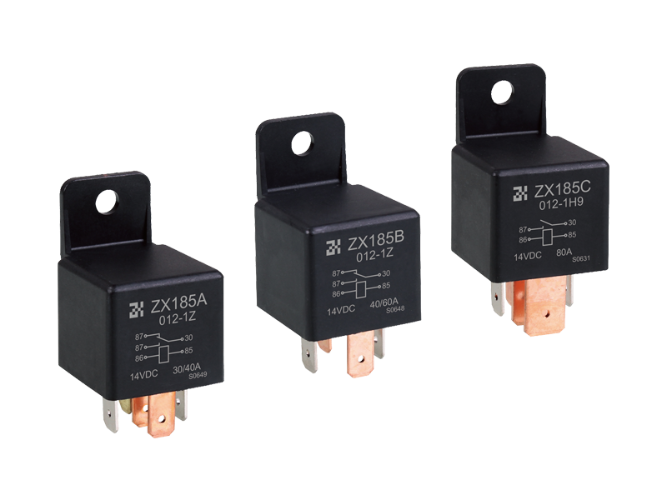
Automotive relays are electrically operated switches that control the flow of electricity to various components in a vehicle. These relays act as intermediaries, using a small current to switch a larger current, thereby protecting the sensitive electronic components in your vehicle. For example, a relay might control the current flowing to the headlights or the air conditioning system.
As the demand for more advanced automotive features increases, manufacturers are constantly innovating their relay systems to handle higher currents, improve reliability, and reduce wear. Today’s automotive relays are more efficient, compact, and durable than their predecessors, making them an essential upgrade for any vehicle.
One of the primary benefits of upgrading automotive relays is enhanced reliability. Older relays, particularly mechanical ones, are prone to failure due to wear and tear. The constant physical contact between the relay’s internal parts can erosion, corrosion, or malfunction. Upgrading to modern automotive relays, such as solid-state relays, can significantly reduce the risk of failure and improve the overall reliability of the electrical system.
For instance, solid-state relays use semiconductor components instead of mechanical contacts, ensuring smoother and more reliable operation. This translates to fewer breakdowns, less frequent repairs, and improved performance in the long run.
Modern automotive relays are designed to offer higher efficiency than older systems. With the increasing power demands of vehicles, upgrading the relay system ensures that each electrical component receives the necessary current to function optimally. Automotive relays that are designed to handle higher currents can support additional features without overloading the system.
Furthermore, newer relay systems often include features such as low-resistance contacts, which minimize energy losses and reduce the power consumption of various components. This not only contributes to the vehicle’s overall energy efficiency but also improves fuel economy in the long term.
Automotive relays play a critical role in ensuring the safety of vehicles and their passengers. Upgrading to more advanced relay systems improves the safety features of your vehicle, including the operation of airbags, brakes, lighting, and other essential systems.
For example, a relay failure in an airbag system could prevent the airbags from deploying during a crash, potentially resulting in severe consequences. By upgrading to high-quality, modern relays, you can ensure that these critical safety systems operate reliably when needed.
Older automotive relays are often susceptible to environmental factors such as moisture, heat, and vibration, which can cause premature failure. Upgrading your relay system with more durable, robust components helps protect the electrical systems from these external conditions, extending the overall lifespan of the vehicle.
Additionally, modern relays are designed to operate under a broader range of temperatures and environmental conditions, making them more suitable for use in modern vehicles that are exposed to harsh climates or high-performance environments.
Upgrading your automotive relay system can significant cost savings over time. While the initial investment in high-quality relays may be higher, the long-term savings from reduced maintenance and repair costs can be substantial. By preventing relay failures, you minimize the need for repairs and replacements, which can add up over the years.
Additionally, since modern relays are more efficient and reliable, they can help prevent damage to other electrical components in the vehicle, further reducing repair costs.
When considering an upgrade to your automotive relay system, it is essential to choose the right components. Not all relays are created equal, and the wrong choice can inefficiencies or even failures in the vehicle’s electrical systems. Here are some factors to consider when selecting automotive relays:
Selecting a reliable manufacturer for your automotive relay system is just as important as selecting the right relay. When researching automotive relay manufacturers, consider the following factors:
| Feature | Old Relay Systems | Upgraded Relay Systems |
|---|---|---|
| Reliability | Prone to failure due to mechanical wear | More reliable with solid-state components |
| Energy Efficiency | Higher resistance results in energy loss | Low resistance, improves energy use |
| Durability | Susceptible to heat and vibration | Built for temperatures, moisture-resistant |
| Safety | May fail in critical systems like airbags | Ensures proper operation of safety systems |
| Maintenance Costs | Higher due to frequent failures | Reduced maintenance and repair costs |
Q1: How can I tell if my automotive relays need upgrading?
A: If you notice frequent electrical component failures, erratic performance of vehicle systems, or a decrease in fuel efficiency, it may be time to consider upgrading your automotive relay system.
Q2: Are solid-state relays better than mechanical relays?
A: Yes, solid-state relays are generally more reliable, efficient, and durable than mechanical relays. They have no moving parts, making them less prone to failure.
Q3: How do upgraded relays improve fuel economy?
A: By improving the efficiency of electrical systems, upgraded relays reduce the overall energy consumption of the vehicle, which results in improved fuel economy.
Q4: Can I install upgraded relays myself, or should I consult a professional?
A: While some vehicle owners may opt to install relays themselves, it is advisable to consult a professional mechanic to ensure the proper installation and compatibility with your vehicle’s systems.
Upgrading your automotive relay system can bring numerous benefits, including improved reliability, efficiency, safety, and longevity. As modern vehicles continue to incorporate more complex electrical systems, ensuring that your relay system is up to date is crucial for maintaining performance.


Copyright © 2015-2021, Zhejiang Zhongxin New Energy Technology Co., Ltd. All rights reserved Technical Support:Smart cloud Electromagnetic Relay Manufacturers China Relays Factory


 English
