
Automotive relays are essential components of a vehicle’s electrical system, ensuring proper functionality and reliability of various electrical functions. From controlling high-powered devices to preventing overloads, these small but powerful devices play a significant role in modern vehicles.
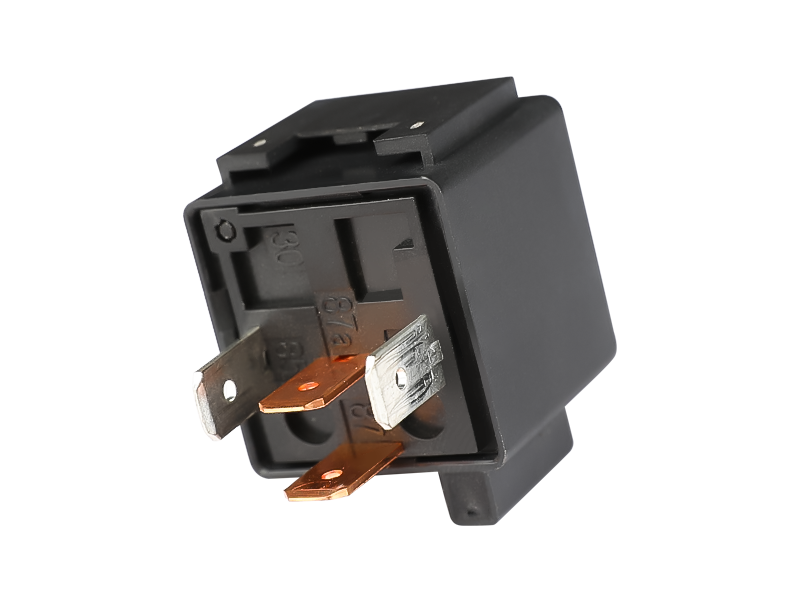
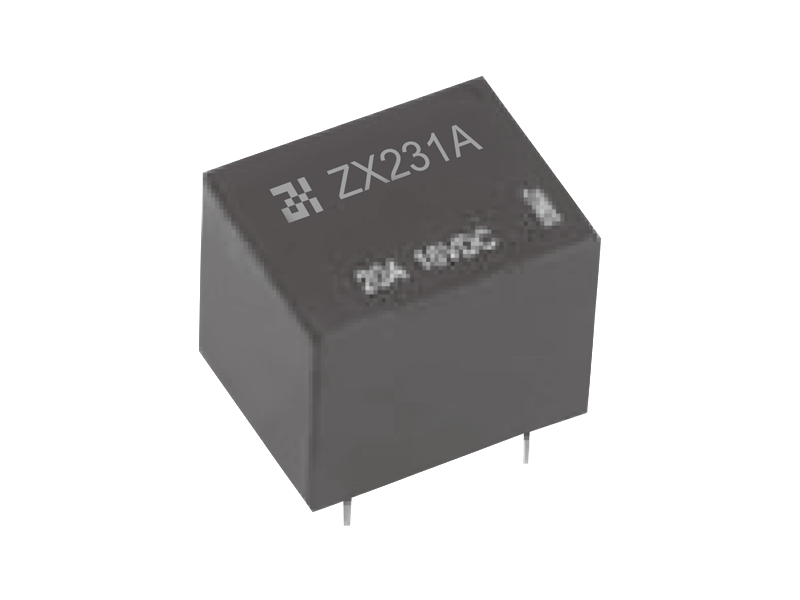
Automotive relays are electrically operated switches that control the flow of electricity to different systems in the vehicle. They are designed to manage high current and voltage without overloading the vehicle’s electrical circuits. Relays are typically used to control devices such as headlights, fuel pumps, windshield wipers, and more.
Basic Structure of Automotive Relays
| Component | Function |
|---|---|
| Coil | Creates a magnetic field when energized |
| Contacts | Open or close based on the magnetic field |
| Spring | Returns contacts to their default position |
| Armature | Moves to open or close the contacts |
| Case | Protects the internal components |
At its core, an automotive relay is powered by an electromagnet that controls a set of contacts. When current flows through the relay coil, it creates a magnetic field that moves the armature, opening or closing the contacts. This action enables the relay to switch the electrical flow to high-power components on or off.
Key Points to Note:
There are various types of automotive relays designed for different applications, including:
Standard Automotive Relays
These are the common and are used for general control of electrical systems in the vehicle.
Bosch-Type Relays
Known for their durability, they are widely used in automotive systems like lighting and air conditioning.
Mini Relays
Compact in size, these are commonly used in newer vehicles with space constraints.
Latching Relays
These relays maintain their state without constant power, useful for energy-saving applications.
Solid-State Relays
Unlike mechanical relays, these relays use semiconductor devices to control circuits and are more efficient and durable.
Comparison of Automotive Relay Types
| Relay Type | Key Features | Common Applications |
|---|---|---|
| Standard | Mechanical, simple operation | Lighting, fuel pump, fans |
| Bosch-Type | Robust, highly reliable | Air conditioning, horns |
| Mini | Small size, space-efficient | Modern vehicles, compact areas |
| Latching | Retains state, energy-efficient | Seat memory systems, locks |
| Solid-State | No moving parts, longer lifespan | Modern electrical control systems |
Automotive relays serve a variety of functions in a vehicle’s electrical system:
High-Traffic Keywords: Electrical relays, automotive control systems, vehicle electrical circuits, automotive safety, power management.
The functionality of automotive relays extends beyond simple on/off switches. Their applications include:
Automotive relays contribute directly to vehicle safety by controlling critical functions such as airbags, anti-lock braking systems (ABS), and stability control. These relays ensure that the systems are activated only when required, preventing malfunction or overload.
Additionally, relays prevent electrical fires by isolating high-current circuits from sensitive components. This makes relays integral in ensuring the safety and longevity of the vehicle’s electrical systems.
Proper maintenance of automotive relays ensures the longevity and efficiency of the vehicle’s electrical system. Some basic maintenance tips include:
1. What is the lifespan of an automotive relay?
The lifespan of an automotive relay depends on the application, but on average, relays last between 5 to 10 years in a vehicle.
2. How can I tell if a relay is malfunctioning?
Common signs of a malfunctioning relay include dim lights, non-functioning components (e.g., fuel pump, lights), or an electrical burn smell.
3. Can I replace a relay myself?
Yes, automotive relays are typically easy to replace, as they are designed for simple installation. However, care should be taken to ensure the correct type of relay is used.
4. Are there any risks of not replacing a faulty relay?
If a faulty relay is not replaced, it could cause electrical components to fail, resulting in larger issues or even damage to the vehicle’s electrical system.
5. Can automotive relays be used for other purposes?
While automotive relays are specifically designed for vehicle electrical systems, they can be used in other applications requiring electrical control systems, such as in industrial machines.
Automotive relays play a critical role in managing a vehicle’s electrical systems. From controlling high-power devices to ensuring safety and reliability, these components are essential for maintaining vehicle performance. Whether you’re working on your own car or learning more about automotive electrical systems, understanding the importance of relays is fundamental to ensuring your vehicle operates smoothly and safely.

Copyright © 2015-2021, Zhejiang Zhongxin New Energy Technology Co., Ltd. All rights reserved Technical Support:Smart cloud Electromagnetic Relay Manufacturers China Relays Factory


 English
