
Electric vehicles (EVs) are at the forefront of the shift towards cleaner, more sustainable transportation. Behind the seamless performance of these vehicles is a sophisticated system of electrical components, including high voltage direct current (HVDC) relays and contactors. These components are critical for managing the flow of electricity, ensuring safety, and optimizing vehicle performance.
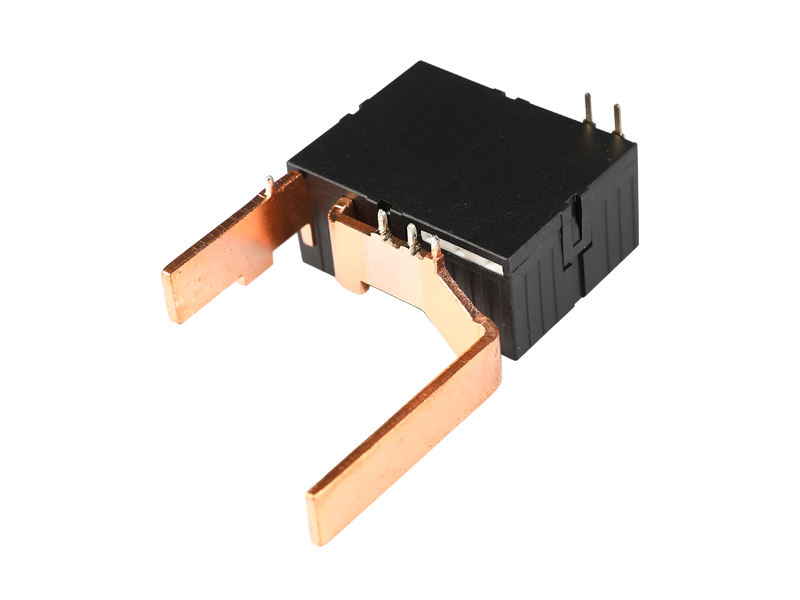
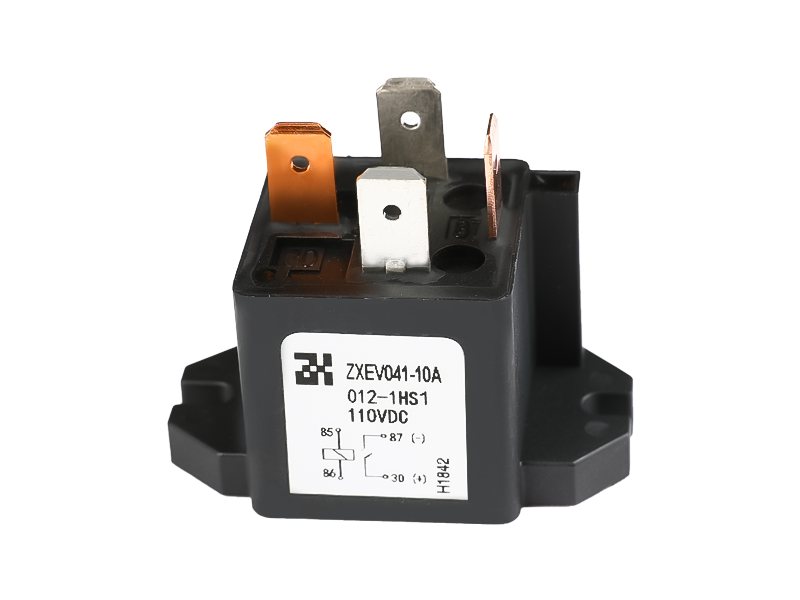
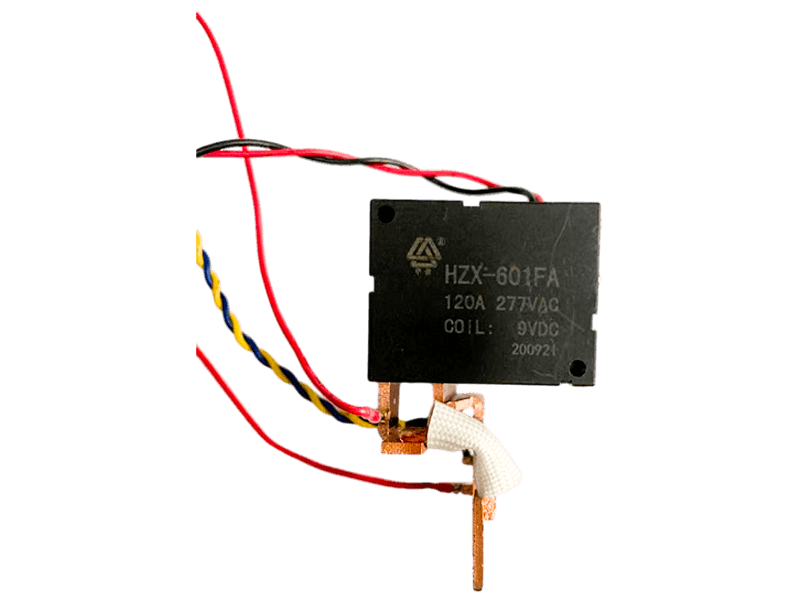
High voltage direct current relays are electrical switches that control the flow of high-voltage current in electric vehicles. These relays play a pivotal role in managing power distribution from the battery to other components, such as the motor and the charging system. When it comes to EVs, they are crucial in regulating and protecting the high-voltage systems that power the vehicle.
HVDC relays are responsible for ensuring that high-voltage systems are safely activated or deactivated as needed. They help maintain the integrity of the vehicle’s power systems by preventing overloading and minimizing the risk of short circuits or electrical fires. These relays are built to handle much higher voltage levels than standard relays, which is essential in EVs, where voltage levels can exceed 400V.
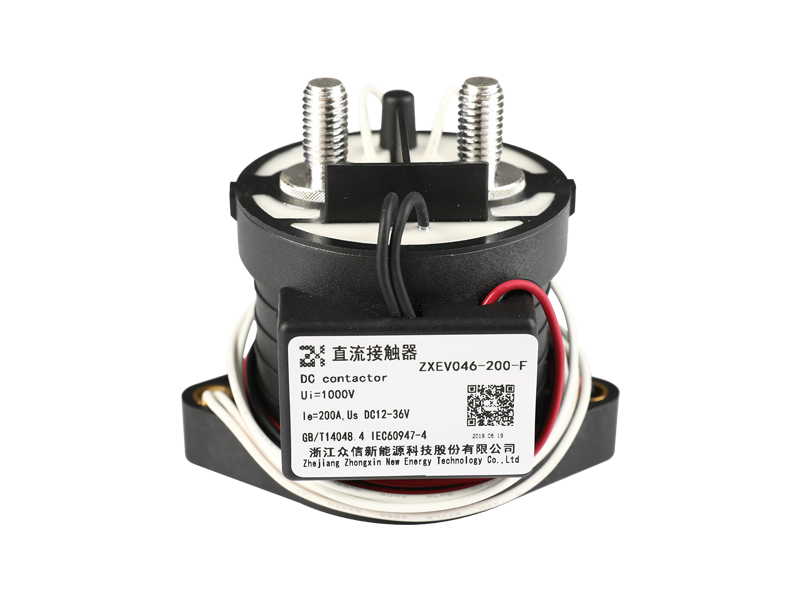
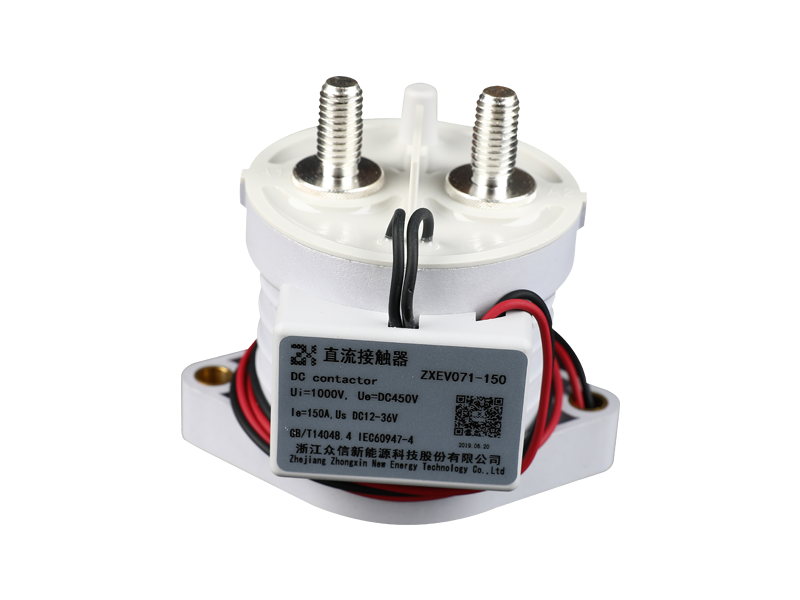
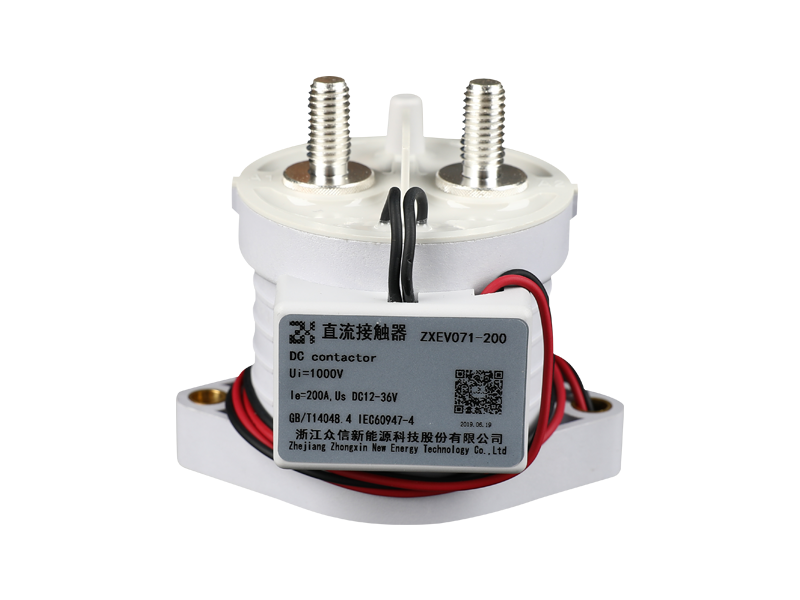
High voltage direct current contactors function similarly to relays but are typically used in more heavy-duty applications, such as controlling large electric motors or battery management systems in EVs. While relays are often used for controlling smaller circuits, contactors are employed to manage higher currents and power demands.
In EVs, high voltage direct current contactors are used to manage the battery pack and motor connection. These contactors are integral to the powertrain system, ensuring that the motor receives sufficient power while also safeguarding the battery during charging and discharging cycles.
They can also protect the vehicle’s electrical system from damage caused by overcurrent or electrical faults, which is critical for the long-term safety and performance of EVs.
While both relays and contactors are used to manage electrical circuits, they differ in their applications and specifications. Below is a comparison of key features:
| Feature | High Voltage Direct Current Relay | High Voltage Direct Current Contactor |
|---|---|---|
| Current Handling | Handles smaller currents | Handles larger currents, often 10x more |
| Usage | Ideal for low-voltage applications | Used in powertrain and battery management |
| Switching Speed | Faster switching for minor loads | Slower switching for higher power systems |
| Cost | Typically less expensive | More expensive due to larger power handling capacity |
One of the primary advantages of HVDC relays and contactors is their ability to enhance the safety of EVs. These components are designed to prevent electrical hazards by automatically disconnecting the power supply in the event of a fault. This safety feature is crucial in high-voltage systems where faults could catastrophic failures.
HVDC relays and contactors play a key role in maintaining the efficiency of electric vehicles. By regulating the power flow effectively, they ensure that the battery is charged and discharged optimally, extending the vehicle’s range and battery life. Additionally, these components reduce energy loss by providing low-resistance pathways for current flow when the circuits are closed.
With robust design and efficient power management, these relays and contactors contribute to the overall longevity of the EV’s electrical components. As EVs rely on high-voltage systems for their operation, ensuring the reliability of relays and contactors is essential for the vehicle’s overall lifespan.
When selecting HVDC relays and contactors for EV applications, it is crucial to consider their voltage and current ratings. These components must be compatible with the specific power requirements of the vehicle’s electrical systems. Incorrect ratings could malfunctions or even system failure.
The physical size and form factor of relays and contactors are also important considerations. In EVs, space is often limited, so selecting compact components that can handle the required power without compromising on performance is essential.
High voltage direct current relays and contactors in EVs are exposed to a range of environmental factors, including temperatures, moisture, and vibrations. Choosing components with adequate protection against these factors ensures performance in all conditions.
One of the key roles of HVDC relays and contactors is in the electric vehicle charging system. These components enable the efficient connection between the vehicle’s battery and the charging station, ensuring that power is safely and effectively transferred during the charging process.
Relays are often used to switch between different charging modes, while contactors control the connection between the charging station and the battery, ensuring that high currents are handled safely.
1. What is the difference between an HVDC relay and an HVDC contactor?
HVDC relays are typically used for smaller circuits and faster switching times, while contactors handle larger currents and are used in powertrain systems and battery management.
2. Why are HVDC relays important in electric vehicles?
They regulate the flow of electricity, enhancing safety and efficiency by preventing overloading and electrical faults.
3. Can I use a standard relay instead of an HVDC relay in an EV?
No, standard relays cannot handle the high voltage levels required in electric vehicles, making HVDC relays essential for safe and efficient operation.
4. How long do HVDC relays and contactors last in electric vehicles?
These components are designed for durability, often lasting as long as the vehicle’s lifespan with proper maintenance.
5. What factors should I consider when choosing HVDC relays and contactors for an EV?
Consider the voltage and current ratings, physical size, and environmental protection features to ensure compatibility and reliability.

Copyright © 2015-2021, Zhejiang Zhongxin New Energy Technology Co., Ltd. All rights reserved Technical Support:Smart cloud Electromagnetic Relay Manufacturers China Relays Factory


 English
