
A battery pack holding hundreds of volts needs a way to disconnect itself instantly when something goes wrong, and doing that safely is harder than it sounds. A DC battery contactor is the component built specifically for that job, isolating high-current DC circuits without letting the resulting arc destroy its own contacts.
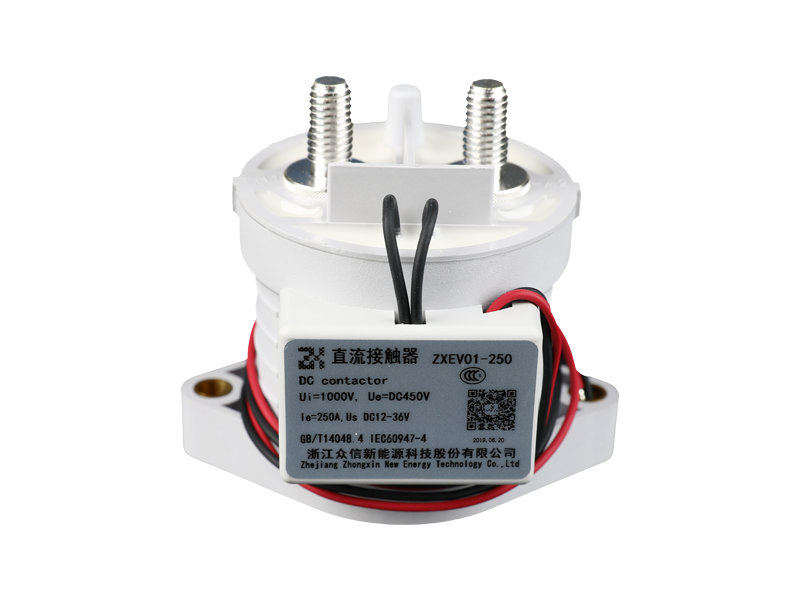
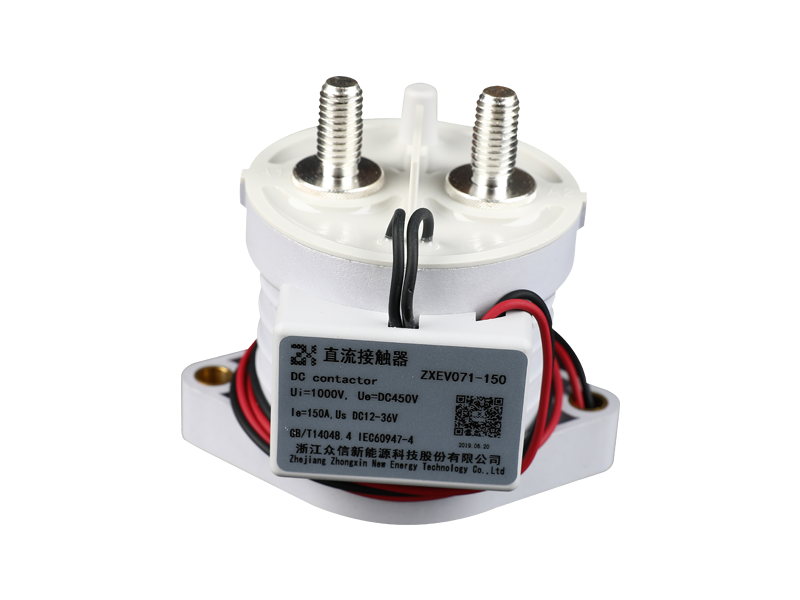
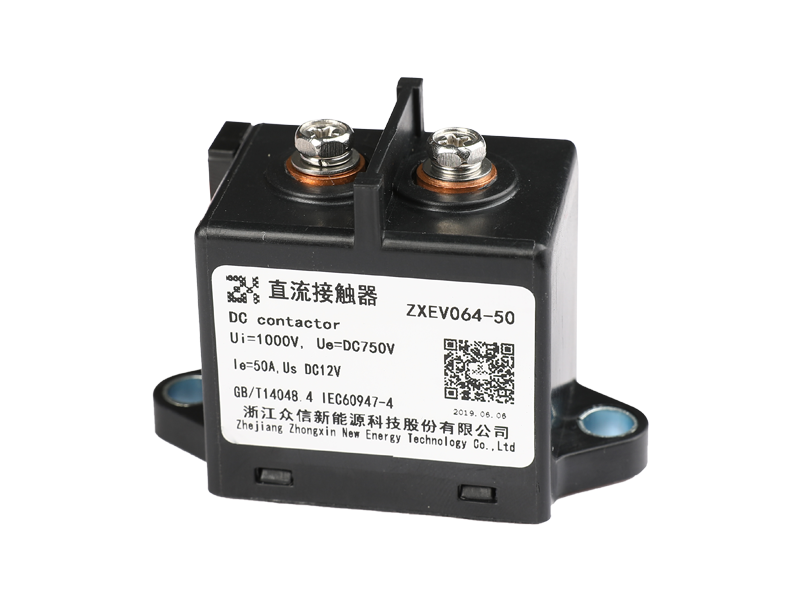
A DC battery contactor is an electromagnetically controlled switch that connects or disconnects a battery from its load, using sealed contact chambers and arc suppression to interrupt high-current DC safely during both routine switching and emergency shutdown.
| Rated voltage | Matched to full battery pack voltage |
| Breaking capacity | Sized for worst-case fault current, not just normal load |
| Contact resistance | Lower values reduce heat and improve efficiency |
| Mechanical lifespan | Rated switching cycles under real operating conditions |
A contactor that passes insulation and voltage withstand testing on a bench still needs to prove itself across vibration, temperature swings, and thousands of real switching cycles before it belongs in a production battery pack.
Buyers sourcing across EV, energy storage, and industrial vehicle platforms should confirm testing data for mechanical lifetime and environmental resistance, and should verify OEM customization options such as coil voltage, mounting structure, and connector design, since a contactor built for a stationary storage system rarely meets the vibration demands of a moving vehicle without adjustment.
A normally open (NO) contactor stays disconnected until activated, while a normally closed (NC) contactor stays connected by default and opens when triggered, and the right choice depends on the fail-safe behavior your system requires.
Current ratings vary widely by model and application, from smaller industrial vehicle systems to high-power EV battery packs, so matching rated and breaking current to your specific system is essential.
Yes, contact erosion from repeated arc exposure gradually increases contact resistance, which is why mechanical lifespan and switching cycle ratings matter when comparing contactor options.
Yes, this is one of its primary safety functions, providing rapid electrical isolation between the battery and the rest of the system during a fault condition.


Copyright © 2015-2021, Zhejiang Zhongxin New Energy Technology Co., Ltd. All rights reserved Technical Support:Smart cloud Electromagnetic Relay Manufacturers China Relays Factory


 English
