
What Are the Different Types of Automotive Relays and Their Applications?
Automotive relays are electrically operated switches that enable low‑power signals to safely control high‑current circuits. The five core types are SPST (Single‑Pole Single‑Throw), SPDT (Single‑Pole Double‑Throw), latching (bistable), solid‑state (SSR), and high‑voltage relays. Each serves a distinct purpose: SPST handles simple on/off loads like cooling fans and horns; SPDT manages headlight beam switching, fuel pumps, and change‑over circuits; latching relays preserve contact states without continuous coil power, making them ideal for battery protection; solid‑state relays deliver fast, wear‑free switching for electronic modules; and high‑voltage relays are indispensable for electric vehicle battery systems, reliably switching continuous currents up to 200 A at 750 VDC. The global automotive relay market was valued at USD 15.7–19.3 billion in 2025, with a projected CAGR of 6.5 %–7.6 % through 2030, driven by the rapid electrification of transportation.
SPST relays are the simplest configuration, featuring a single input and a single output that either connects or disconnects the circuit. These four‑terminal devices act as basic on/off switches. Typical applications include radiator cooling fans, horn activation, and auxiliary lighting circuits. While less versatile than SPDT, their simplicity and reliability make them a staple in dedicated control functions across all vehicle types.
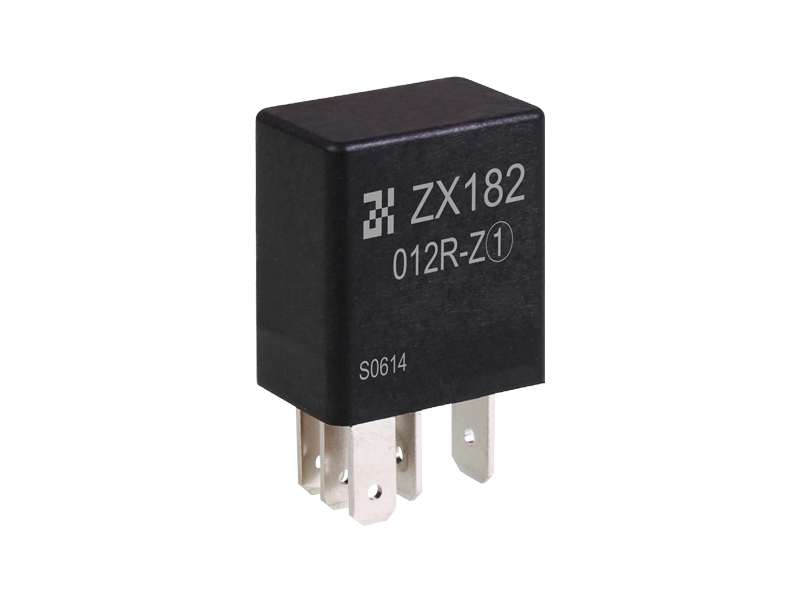
Widely known as "change‑over" or Bosch‑type relays, SPDT relays are the most commonly used in automotive systems. With five terminals (85, 86, 87, 87a, and 30), they can alternate between two output paths. In the de‑energized state, terminal 30 connects to the normally closed terminal 87a; when energized, it switches to terminal 87. Key applications include headlight high‑beam/low‑beam control, fuel pump priming, and horn circuits where toggling between two functions is required.
Latching relays maintain their contact position indefinitely without any power applied to the coil. This unique characteristic significantly reduces overall power consumption and prevents battery drain. They are especially valuable in systems that must remain in a set state while the vehicle is parked, such as auxiliary battery disconnect modules and memory seat positioning. Plug‑in latching relays are also available for easy aftermarket integration.
Solid‑state relays use semiconductor components (such as MOSFETs or thyristors) instead of mechanical contacts. They offer virtually unlimited switching cycles, microsecond‑level response times, and excellent resistance to shock and vibration. Although they have a higher on‑state resistance and cost more than electromagnetic types, SSRs excel in high‑frequency applications like PWM‑controlled lighting, heated seats, and modern engine control units that demand silent, wear‑free operation.
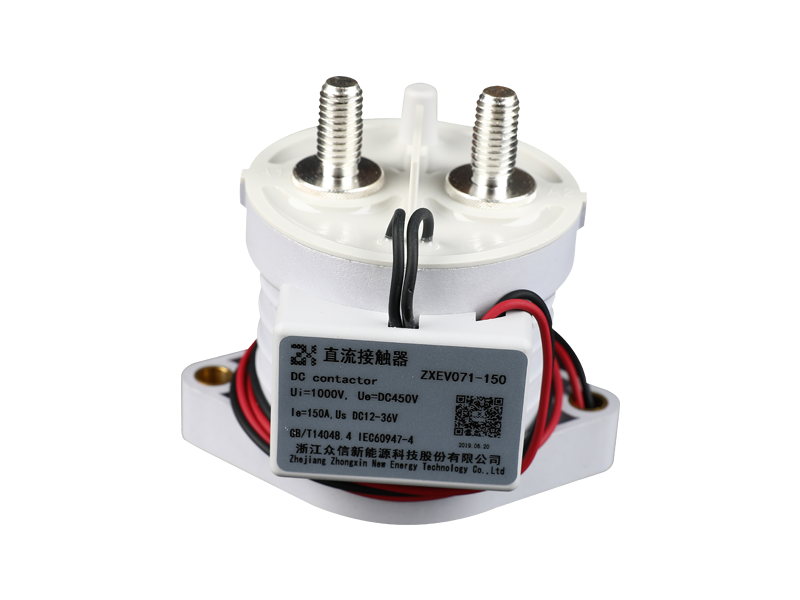
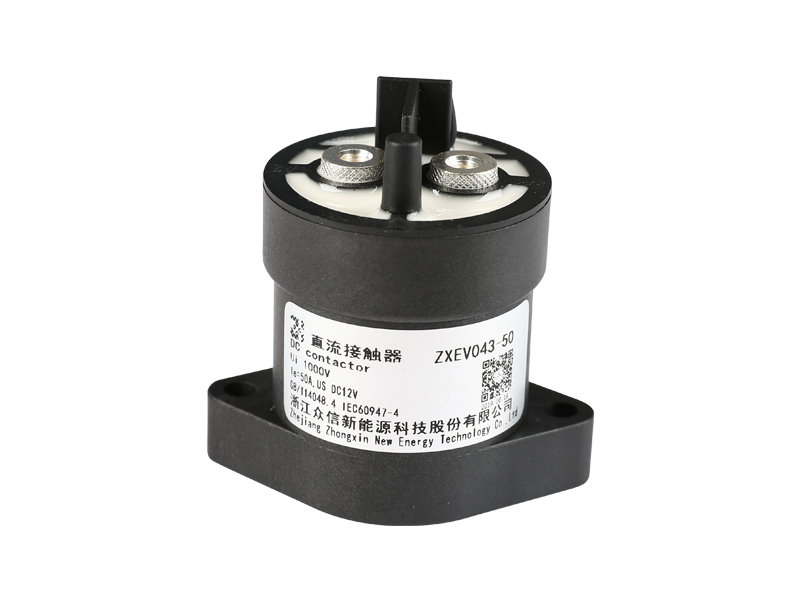
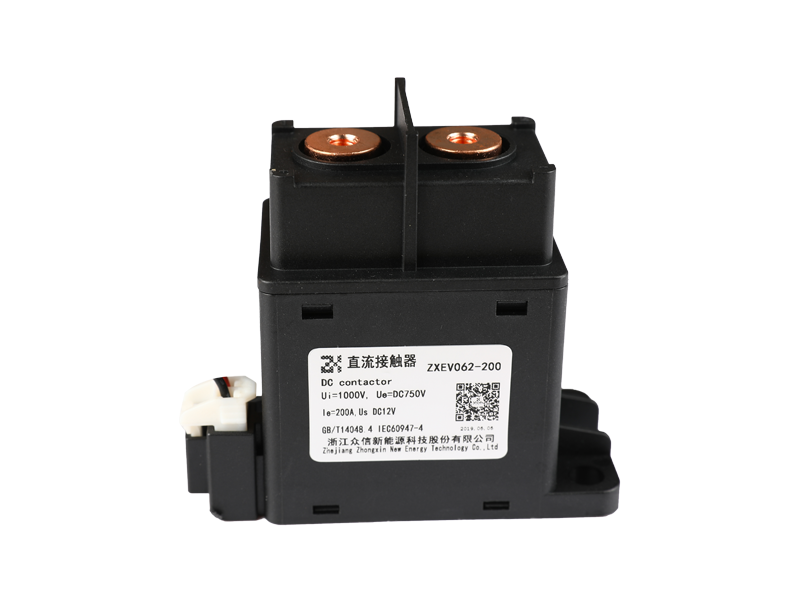
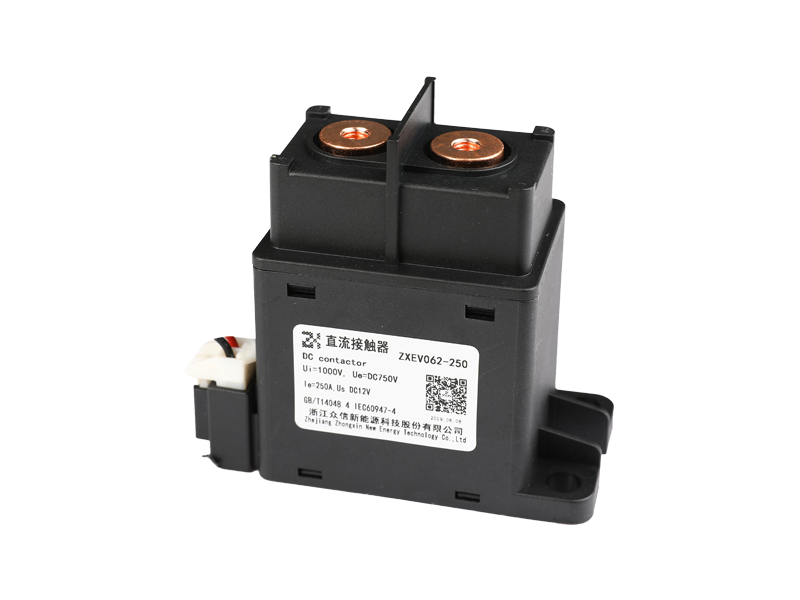
High‑voltage relays and DC contactors are mission‑critical components in battery electric vehicles (BEVs) and hybrids. These devices are engineered to safely interrupt high‑energy DC circuits, handling continuous currents from 50 A up to 200 A at voltages of 450 VDC to 750 VDC. They feature hermetically sealed chambers or magnetic blow‑out technologies to extinguish arcs effectively. Primary uses include main battery contactors, pre‑charge circuits, and onboard charger (OBC) isolation.
Proper relay selection hinges on a clear understanding of key electrical and environmental parameters. The table below summarizes the essential specifications:
| Parameter | Typical Range | Description & Impact |
|---|---|---|
| Coil Voltage | 12 VDC, 24 VDC, 48 VDC | Must match the vehicle's electrical architecture. Mismatch causes failure. |
| Coil Resistance | 80 Ω – 324 Ω | Defines coil current draw; impacts driver circuit design and heat dissipation. |
| Contact Current Rating | 5 A – 200 A | Maximum continuous current. Must exceed the load's steady‑state draw. |
| Contact Arrangement | SPST, SPDT, DPST, DPDT | Determines switching flexibility and circuit topology. |
| Operating Temperature | ‑40 °C to +125 °C | Qualifies the relay for under‑hood and extreme climate conditions. |
| Initial Contact Resistance | ≤ 30 mΩ | Lower values reduce power loss (I²R) and heating at high currents. |
For inductive loads such as motors, solenoids, and compressors, inrush currents can reach 5 to 10 times the steady‑state current. Always apply a derating factor of 20 %–30 % to the contact rating to ensure reliable long‑term operation.
Every electrical subsystem in a vehicle relies on specific relay types. The following cross‑reference table provides clear guidance for engineering and maintenance teams:
| Vehicle System | Specific Applications | Recommended Relay Type |
|---|---|---|
| Powertrain & Starting | Starter solenoid, fuel pump, ECU power, glow plugs | SPST, High‑Current SPDT |
| Lighting Systems | Headlight hi/lo beam, fog lights, DRL, interior lamps | SPDT, SPST |
| Comfort & Convenience | Power windows, central locking, sunroof, seat heating | SPDT, Latching, PCB‑mount |
| HVAC & Climate | Blower fan speed, A/C compressor clutch, radiator fan | SPST, SPDT |
| Safety & Chassis | ABS pump, airbag power, horn, wiper control | High‑reliability SPDT |
| EV & Hybrid Systems | Main battery contactor, pre‑charge relay, DC‑DC converter | High‑Voltage Hermetic, SSRs |
| Auxiliary & Aftermarket | Light bars, high‑power audio, winch, auxiliary pumps | High‑Current SPST |
In electric vehicle architectures, high‑voltage contactors are typically used in pairs (positive and negative rails) with a dedicated pre‑charge relay that limits inrush current into the DC‑link capacitors, protecting both the relay contacts and the power electronics.
Choosing the optimal relay requires a logical, step‑by‑step engineering approach. Follow the visual flowchart below to systematically narrow down your choices:
Applying this disciplined workflow ensures the selected relay not only meets electrical demands but also survives under‑hood stresses, where temperature swings, continuous vibration, and load‑dump voltage spikes are daily realities. Always prioritize relays with proven automotive qualification (AEC‑Q standards) for production programs.
An SPST relay simply opens or closes one circuit (on/off), while an SPDT relay switches between two separate circuits (change‑over). For instance, SPST is used for a cooling fan that turns on and off, whereas SPDT is essential for headlights that must toggle between high and low beams.
Latching relays are ideal when the contact position must be maintained without continuous coil energization. This drastically reduces standby power consumption, making them perfect for battery‑critical applications like RV battery disconnects, anti‑theft immobilizers, and memory seat modules that retain position after ignition‑off.
Not always. SSRs offer unlimited cycle life, silent operation, and superior vibration tolerance. However, they have higher on‑resistance (generating more heat), are more expensive, and are sensitive to overvoltage. Electromagnetic relays remain the top choice for high‑current, low‑cost, and robust power switching tasks.
For electric traction systems, relays must support at least 200 A continuous and handle 750 VDC with proper arc extinction. Pre‑charge relays often handle lower current (10 A–30 A) but must endure high inrush pulses. Always verify the breaking capacity, as DC interruption is much harder than AC.
Simply match the relay coil voltage to the vehicle's primary electrical system: 12 V for standard passenger cars and motorcycles, 24 V for heavy‑duty trucks and commercial buses, and 48 V for mild‑hybrid and advanced 48V architectures. Installing a 12V coil in a 24V system will immediately burn out the winding.
Mechanical endurance usually ranges from 100 000 to 1 000 000 operations (unloaded), while electrical endurance at rated load falls between 50 000 and 200 000 cycles. High‑quality sealed relays can achieve even higher figures, especially when used well within their current and temperature limits.

Copyright © 2015-2021, Zhejiang Zhongxin New Energy Technology Co., Ltd. All rights reserved Technical Support:Smart cloud Electromagnetic Relay Manufacturers China Relays Factory


 English
