
In modern automotive systems, the reliance on electronic components has significantly increased, revolutionizing vehicle functionality and efficiency. At the heart of many automotive electrical systems lies the electromagnetic relay. These vital components control the flow of electrical current and signals to various vehicle subsystems, enhancing safety, performance, and energy management. This article delves into the key benefits and considerations surrounding the use of electromagnetic relays in automotive systems.
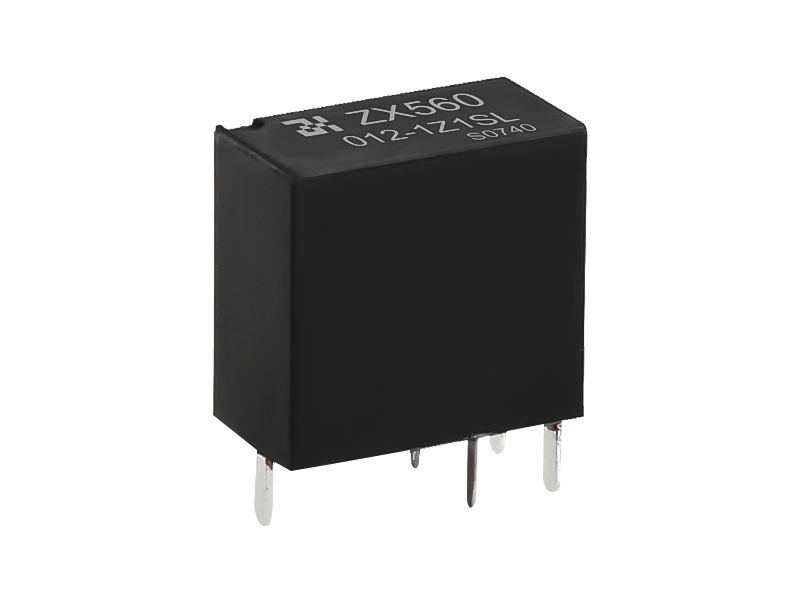
An electromagnetic relay is a type of electrically operated switch used to control the flow of current through a circuit. It works by using an electromagnet to close or open contacts within a relay, allowing the control of high-current circuits with low-current signals. This ability makes electromagnetic relays an essential part of automotive electrical systems, where they manage power distribution and protect sensitive components.
In automotive systems, the precise control of electrical circuits is critical. Electromagnetic relays offer reliable switching for controlling high-power devices such as motors, lights, and actuators using low-power control signals. This helps protect sensitive components like microcontrollers and other electronic control units (ECUs) from potential damage due to overloads or short circuits.
Automotive safety systems, such as airbags, anti-lock braking systems (ABS), and traction control, depend on electromagnetic relays to ensure proper operation. By providing reliable switching of power to these critical safety systems, electromagnetic relays contribute to the overall safety of both the vehicle and its occupants.
Electromagnetic relays help improve energy efficiency in vehicles by optimizing the flow of current to various electrical components. With their ability to handle high currents without significant losses, relays ensure that energy is used efficiently, ultimately contributing to better fuel economy and reducing the vehicle’s environmental impact.
Automotive environments are harsh, with components exposed to high temperatures, vibration, and fluctuating voltages. Electromagnetic relays are designed to withstand these challenges, ensuring longevity and reliability over an extended period. Their robust construction allows them to operate under conditions, making them indispensable in modern vehicles.
Different types of electromagnetic relays are employed in automotive applications, each designed to meet specific requirements. Below is a breakdown of common relay types used in vehicles:
| Relay Type | Application | Key Features |
|---|---|---|
| General-Purpose Relay | Control circuits for lights, horns, and fans | High reliability, cost-effective |
| Time Delay Relay | Delays activation of safety systems or lights | Accurate timing, energy-saving features |
| Thermal Relay | Overload protection in motor circuits | Protects electrical motors from overheating |
| Solid-State Relay | Control high-power circuits with low input power | No mechanical parts, durable, quick switching |
Each relay type is selected based on its suitability for the task at hand, balancing factors such as cost, reliability, and performance.
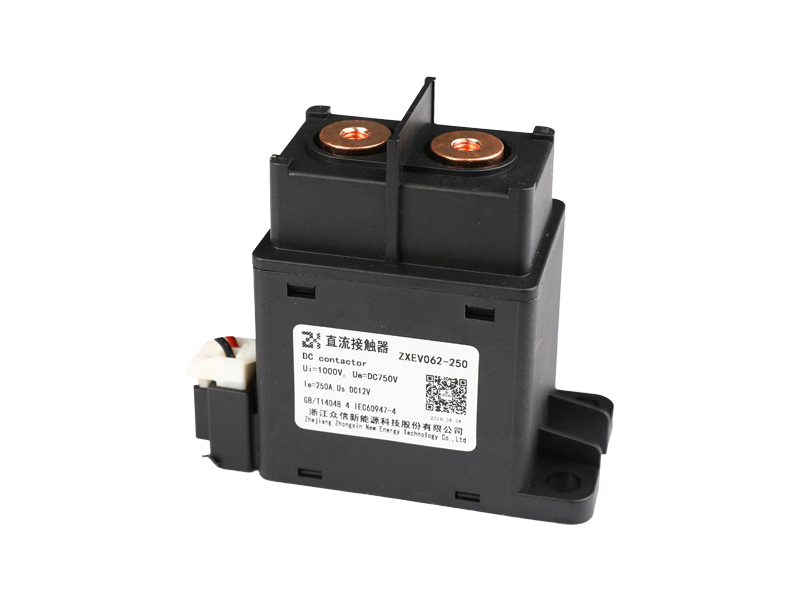
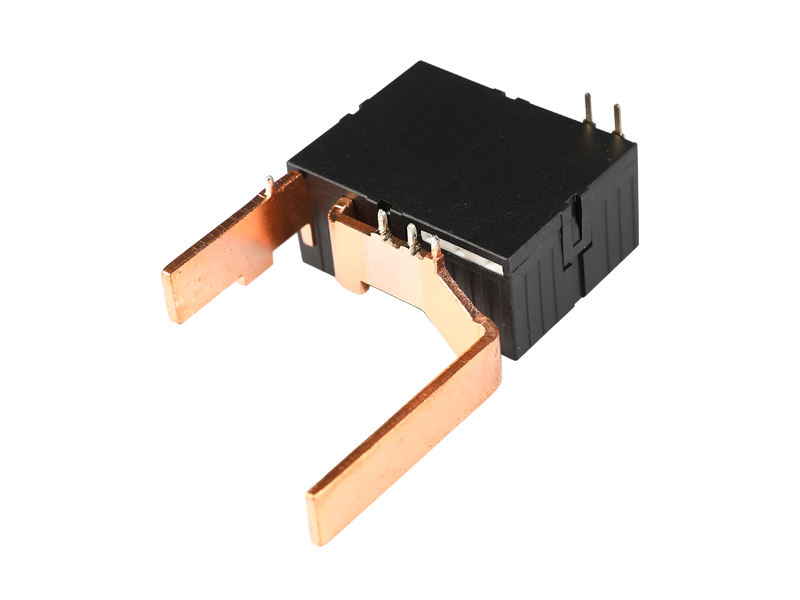
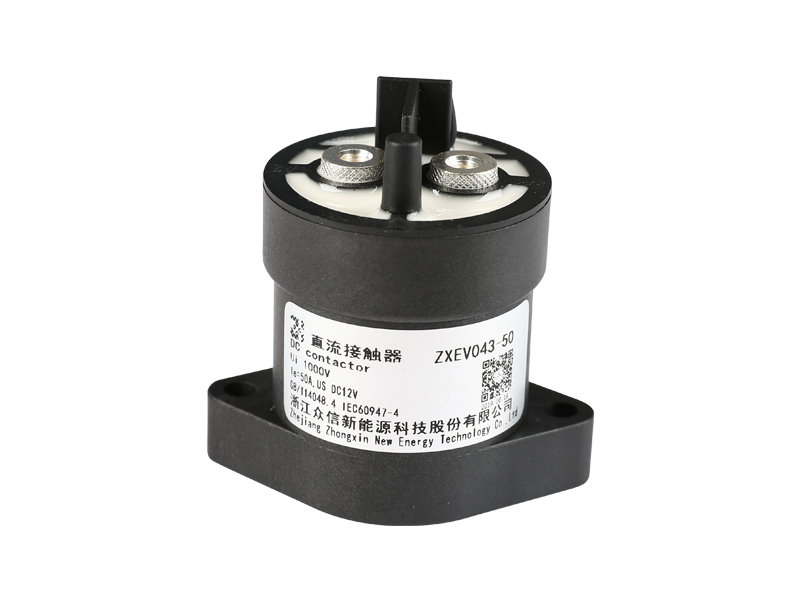
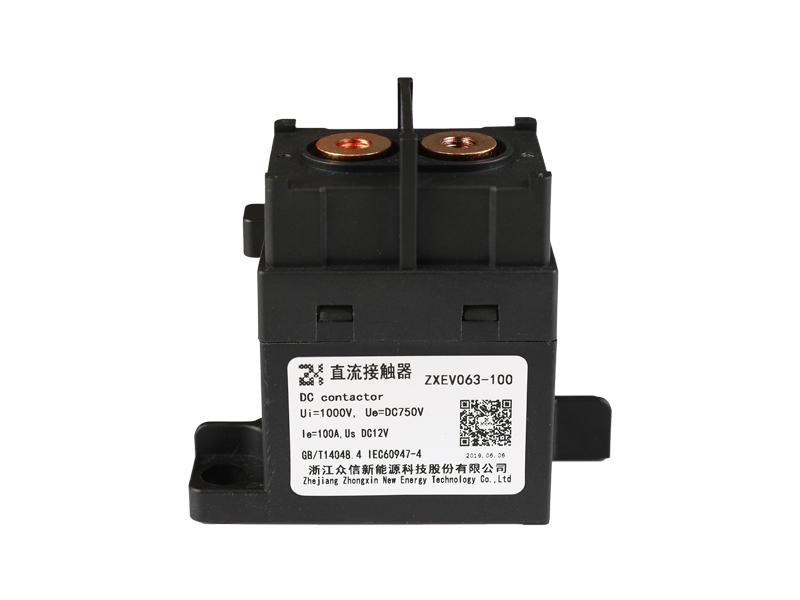
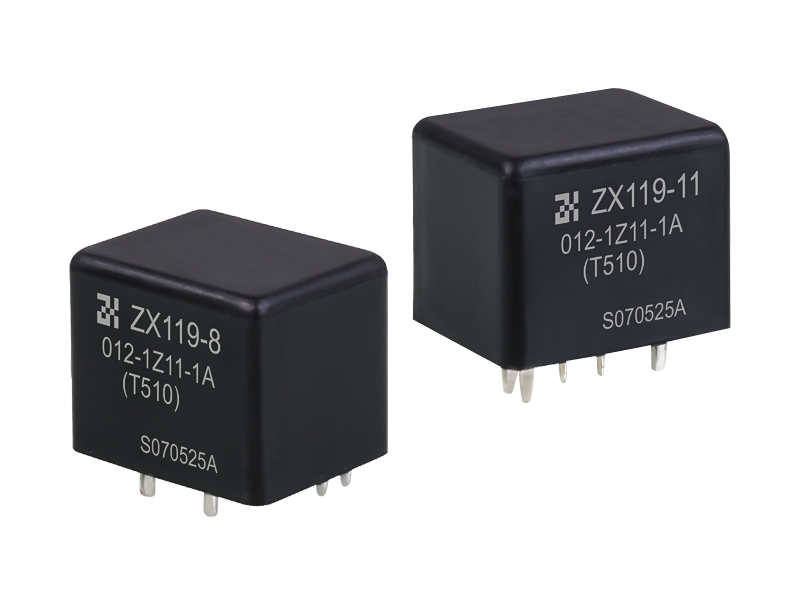
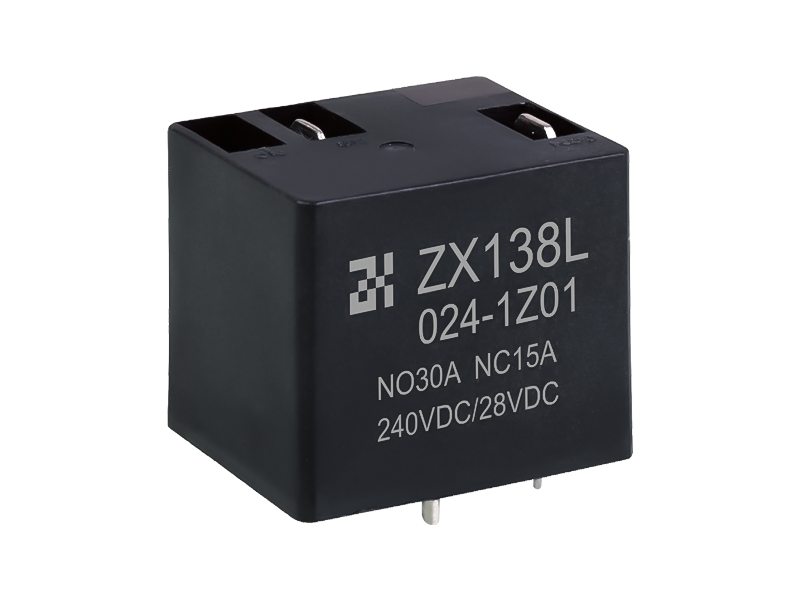
Selecting the right size and mounting option for a relay is crucial. Automotive relays are designed in different sizes and configurations to fit into the limited space available in vehicles. Common mounting options include plug-in relays and PCB-mounted relays, each chosen based on the available space in the vehicle’s electrical system.
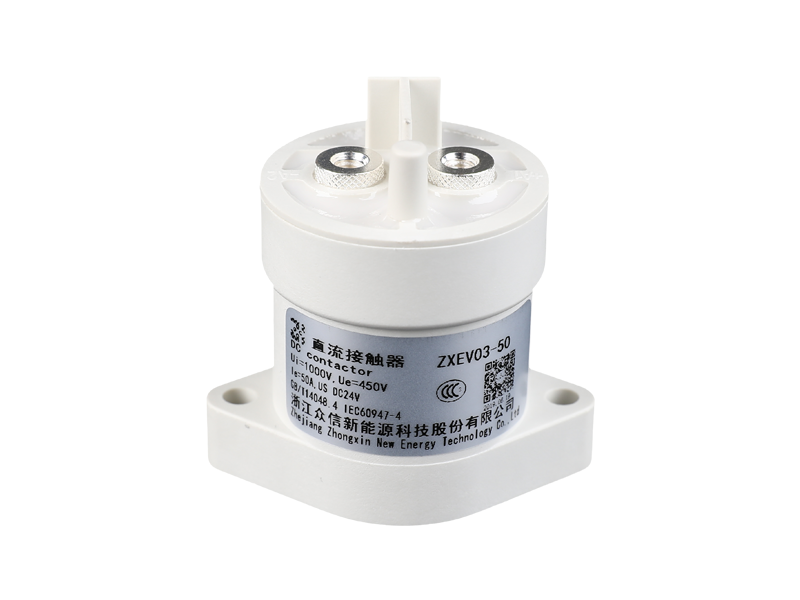
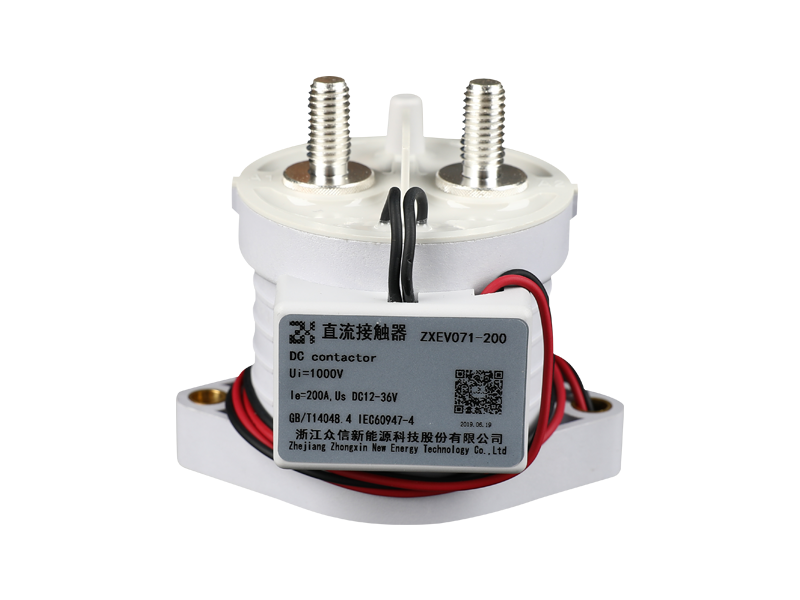
Electromagnetic relays must be able to handle the specific current and voltage requirements of the automotive circuit. Overloading a relay can cause overheating, reducing the lifespan of the component and compromising the safety and performance of the vehicle. Proper selection ensures the relay can handle the required load while providing reliable service.
Automotive relays must operate effectively in a range of environmental conditions, including temperatures, humidity, and exposure to road contaminants like dust and moisture. When selecting relays, manufacturers must consider these factors to ensure the components’ durability and longevity.
For safety-critical applications, such as airbags and ABS, the relay’s response time must be fast to ensure timely activation of systems in the event of an emergency. Additionally, the switching capacity must align with the requirements of the circuit being controlled, ensuring that the relay can handle both steady-state and transient electrical loads.
Electromagnetic relays have a direct impact on vehicle performance, influencing everything from fuel efficiency to driving comfort. By providing reliable control over electrical circuits, relays ensure that components such as lighting, motors, and safety systems work seamlessly together. This contributes to overall vehicle performance, enhancing the driving experience and ensuring that critical systems operate without failure.
Electromagnetic relays are mechanical devices, and as such, they are subject to wear and tear due to continuous vibration, particularly in vehicles with high-performance engines or heavy-duty applications. This can decreased reliability over time.
Automotive relays can be susceptible to electromagnetic interference (EMI), which can affect the performance of sensitive components. This is especially critical in modern vehicles that rely heavily on communication networks and electronic control systems.
While electromagnetic relays offer efficiency, their power consumption can still be a consideration, especially in electric vehicles where minimizing energy loss is paramount. Low-power relay options, such as solid-state relays, are gaining popularity in these applications.
The automotive industry is increasingly moving toward electrification, with electric vehicles (EVs) and hybrid vehicles becoming more prevalent. This shift demands more sophisticated relay technologies capable of managing high-voltage circuits and supporting the integration of new electrical systems. Solid-state relays, with their faster switching speeds and higher reliability, are expected to play a larger role in the future.
Furthermore, advances in automation and smart vehicle technologies, such as autonomous driving systems, will require more intelligent relay systems that can interact with various sensors and actuators. As these technologies evolve, electromagnetic relays will continue to be a cornerstone of automotive systems, adapting to meet new demands.
Q1: What is the main function of an electromagnetic relay in automotive systems?
A1: An electromagnetic relay controls the flow of electrical current to various components in automotive systems, enabling reliable operation of high-power circuits using low-power signals.
Q2: How do electromagnetic relays contribute to vehicle safety?
A2: Electromagnetic relays ensure the proper functioning of critical safety systems like airbags, ABS, and traction control, thereby enhancing vehicle safety.
Q3: What factors should be considered when selecting an electromagnetic relay for an automotive system?
A3: Key factors include current rating, voltage compatibility, environmental conditions, relay size, and response time.
Q4: Are solid-state relays replacing electromagnetic relays in automotive applications?
A4: While solid-state relays are becoming more popular due to their faster switching times and higher reliability, electromagnetic relays still play a vital role in many automotive applications, especially in high-power circuits.
Q5: Can electromagnetic relays withstand harsh automotive environments?
A5: Yes, automotive electromagnetic relays are designed to withstand temperatures, humidity, and vibration, ensuring reliable performance in tough conditions.

Copyright © 2015-2021, Zhejiang Zhongxin New Energy Technology Co., Ltd. All rights reserved Technical Support:Smart cloud Electromagnetic Relay Manufacturers China Relays Factory


 English
