
Electromagnetic relays remain indispensable components in modern electrical and electronic systems. From industrial automation to renewable energy equipment, these devices enable low-power signals to control high-power circuits safely and reliably. As global demand for energy-efficient switching solutions grows, understanding the electromagnetic relay working principle and its various types has become increasingly important for engineers and system designers.
An electromagnetic relay is an electrically operated switch that uses magnetic force to open or close contacts. Unlike solid-state switches, electromagnetic relays provide complete physical isolation between the control side and the load side. This isolation makes them a trusted choice for applications requiring safety and durability. The basic structure includes a wire coil, a movable armature, and at least one set of electrical contacts. When current passes through the coil, a magnetic field pulls the armature, which then changes the state of the contacts.
The working principle of an electromagnetic relay is both elegant and practical. It converts electrical energy into mechanical motion, which then controls another circuit. This electromechanical action occurs in milliseconds, offering near-instantaneous switching.
At the core of every electromagnetic relay circuit lies the coil. When voltage is applied, the coil generates a magnetic field. The strength of this field depends on the number of wire turns and the current flowing through them. Even a small current can produce enough magnetic force to move the armature, allowing a low-power signal to control a high-power load.
The armature is a small iron lever positioned close to the coil. When the magnetic field appears, it pulls the armature toward the coil. This movement is precise and repeatable, making the electromagnetic relay a reliable switching mechanism. Once the coil is de-energized, the magnetic field collapses, and a spring returns the armature to its original position.
Contacts are where the actual switching happens. Depending on the relay design, contacts can be normally open or normally closed. In a normally open configuration, the circuit remains off until the relay is energized. In a normally closed configuration, the circuit stays on until the relay activates. The quality of contact materials—often silver or copper alloys—determines the relay’s ability to handle high currents without overheating.
Every electromagnetic relay includes a small spring that provides the restoring force. After the magnetic field disappears, the spring quickly returns the armature to its resting position. This ensures that the relay resets automatically, ready for the next switching cycle. The balance between magnetic pull and spring tension defines the relay’s operational characteristics.
In electrical schematics, the electromagnetic relay symbol consists of two main parts: a rectangle or semicircle representing the coil, and a line or circle representing the contacts. This simple visual language helps engineers design and troubleshoot circuits efficiently. In real-world applications, the electromagnetic relay circuit allows one small current to safely govern a much larger one, making it a fundamental building block of control systems.
There are several types of electromagnetic relays, each suited to specific tasks in AC and DC systems. The two broad categories are electromagnetic attraction relays and electromagnetic induction relays.
This type operates purely on magnetic attraction. When the coil energizes, the armature is pulled directly toward the electromagnet, opening or closing the contacts instantly. Electromagnetic attraction relays are commonly used in DC circuits and low-frequency AC applications. They are known for their fast response, simple construction, and high current-carrying capacity.
Electromagnetic induction relays rely on the principle of induced current, similar to how an induction motor works. These relays are typically used in AC power systems for protection purposes, such as overcurrent, directional, or differential protection. A moving disc or rotor responds to magnetic flux from the coil, and when the torque exceeds a preset threshold, the contacts change state. These relays are slower but more suitable for high-voltage protection applications.
| Feature | Electromagnetic Attraction Relay | Electromagnetic Induction Relay |
|---|---|---|
| Operating Principle | Direct magnetic pull | Induced current in a rotor/disc |
| Typical Application | DC and low-frequency AC switching | AC power system protection |
| Response Speed | Very fast | Moderate to slow |
| Complexity | Simple | More complex |
| Common Use | Control circuits, automotive | Transformer protection, feeders |
The construction of an electromagnetic relay is straightforward, which contributes to its reliability and ease of maintenance. Each component plays a specific role in ensuring proper switching.
The coil is wound from insulated copper wire around a soft iron core. It converts electrical current into magnetic flux. Coil design—including wire gauge, number of turns, and insulation rating—determines the relay’s voltage and current requirements.
The armature is a movable iron piece that responds to the coil’s magnetic field. Its movement is the mechanical link between the control signal and the load circuit. Armatures are typically hinged or pivoted to allow smooth, repeatable motion.
A calibrated spring keeps the armature in its default position when the coil is not powered. After each switching cycle, the spring returns the armature, resetting the relay. Spring tension must be carefully chosen to balance speed, contact pressure, and reset reliability.
Contacts are the conductive parts that open or close the load circuit. They are made from materials resistant to arcing and welding, such as silver-cadmium oxide or silver-tin oxide. The contact gap, pressure, and wiping action all affect relay longevity and performance.
The yoke and frame provide mechanical support and help channel the magnetic flux efficiently. They also protect internal components from dust, vibration, and accidental contact. A well-designed frame ensures consistent alignment over thousands of switching cycles.
Despite the rise of solid-state relays, electromagnetic relays continue to be widely used due to several inherent advantages.
Electromagnetic relays offer predictable, repeatable switching. They respond immediately to control signals and maintain their performance over hundreds of thousands of cycles. This reliability is especially valued in industrial and automotive environments.
One of the important advantages of electromagnetic relay systems is galvanic isolation. The control circuit and the load circuit are physically separated by an air gap. This protects sensitive electronics from voltage spikes, noise, and fault conditions.
Electromagnetic relays are cost-effective and readily available in a wide range of voltage and current ratings. Their simple construction keeps manufacturing costs low, making them accessible for both large-scale industrial use and small prototyping projects.
The design is transparent and easy to understand. A coil, an armature, a spring, and some contacts—these parts can be inspected, tested, and replaced individually. This simplicity also makes electromagnetic relays easier to specify and integrate into existing systems.
Electromagnetic relays require little routine maintenance. Periodic cleaning of contacts to remove oxidation or dust is usually sufficient. Unlike electronic components, they are not sensitive to static discharge or voltage transients, making them more robust in harsh environments.
The applications of electromagnetic relay technology span nearly every sector of electrical engineering. Some of the common include:
In distribution and transmission systems, electromagnetic relays detect abnormal conditions such as overcurrent, undervoltage, or reverse power. They trigger circuit breakers to isolate faults before equipment is damaged. This protective function is critical for transformers, generators, and feeders.
Household appliances such as refrigerators, washing machines, air conditioners, and microwave ovens use electromagnetic relays to start motors, control heating elements, and switch compressors. The familiar “click” sound inside an appliance often signals a relay in action.
Modern vehicles contain dozens of electromagnetic relays. They control headlights, wipers, fuel pumps, ignition systems, and air conditioning compressors. Relays allow small dashboard switches to handle high-current loads safely, reducing wiring complexity and improving reliability.
In telecommunications and broadcasting, relays route signals, switch antennas, and manage backup power systems. Their ability to provide clean, noise-free switching makes them suitable for analog and low-frequency digital signals, even in sensitive RF environments.
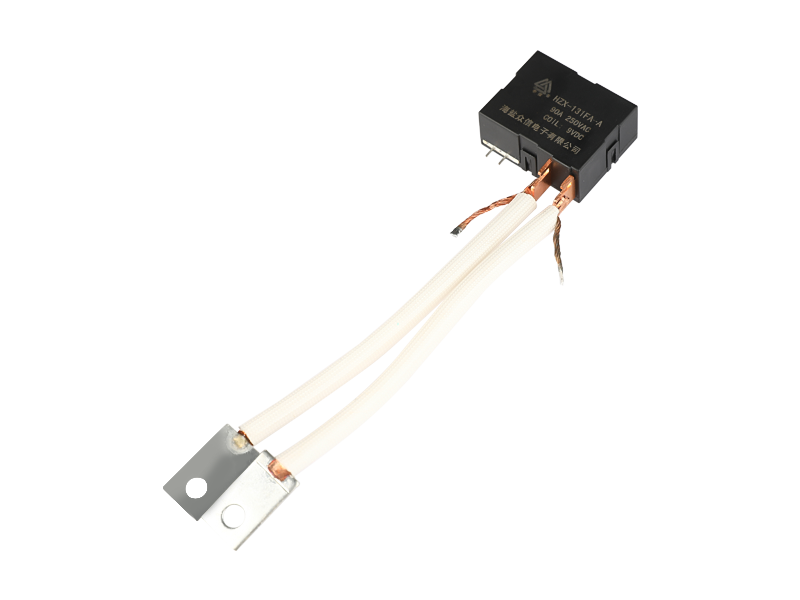
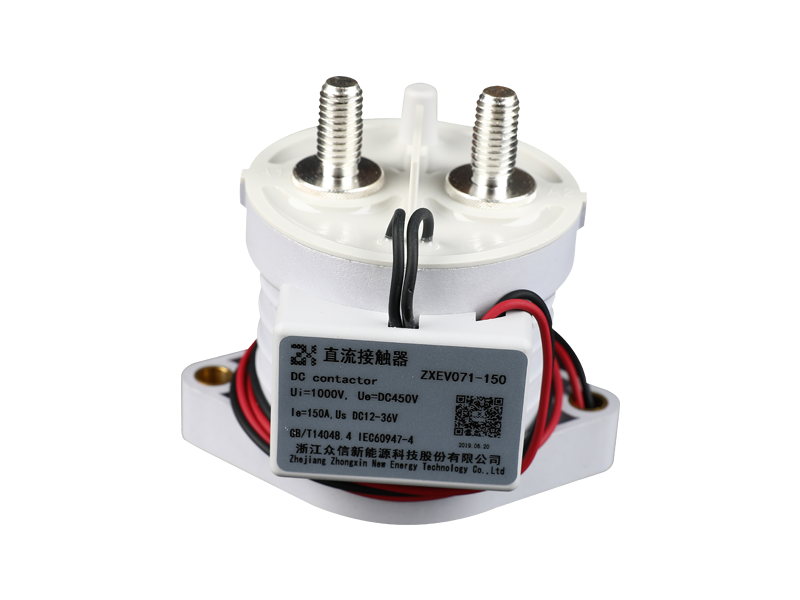
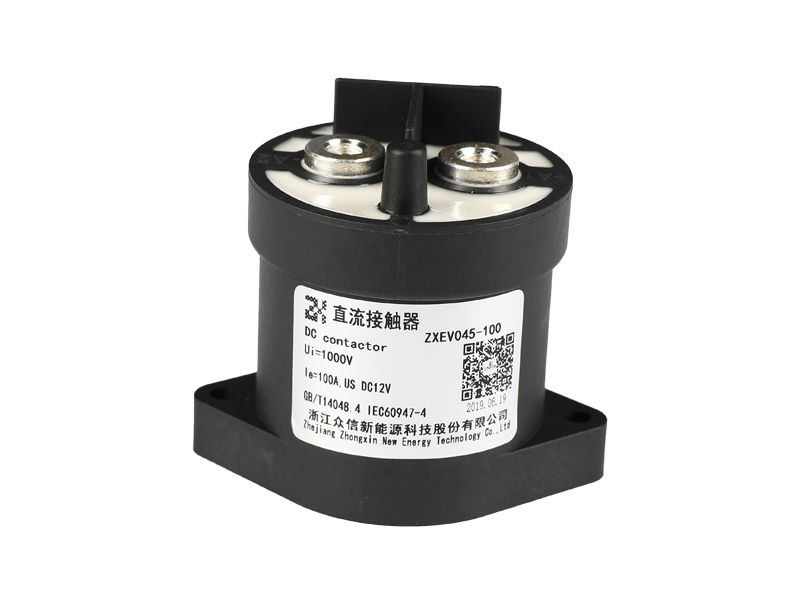
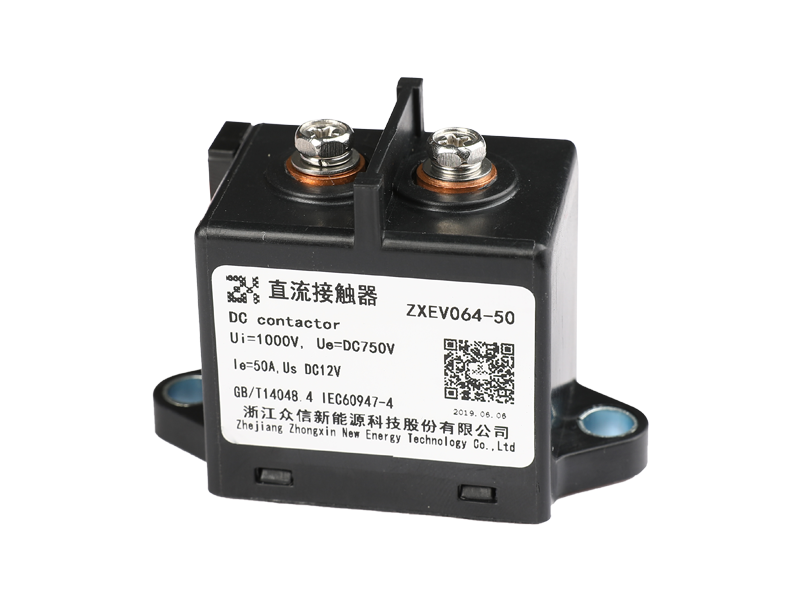
With the growth of electric vehicles, solar power, and energy storage, electromagnetic relays are increasingly used in high-voltage DC circuits. Applications include DC charging piles, photovoltaic combiner boxes, rail transit, and battery management systems. These environments demand relays with high breaking capacity and reliable arc suppression.
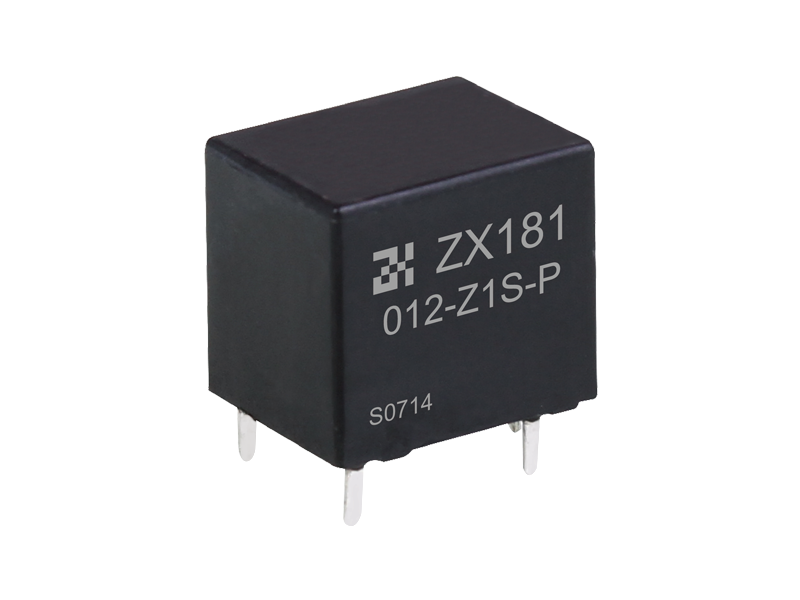
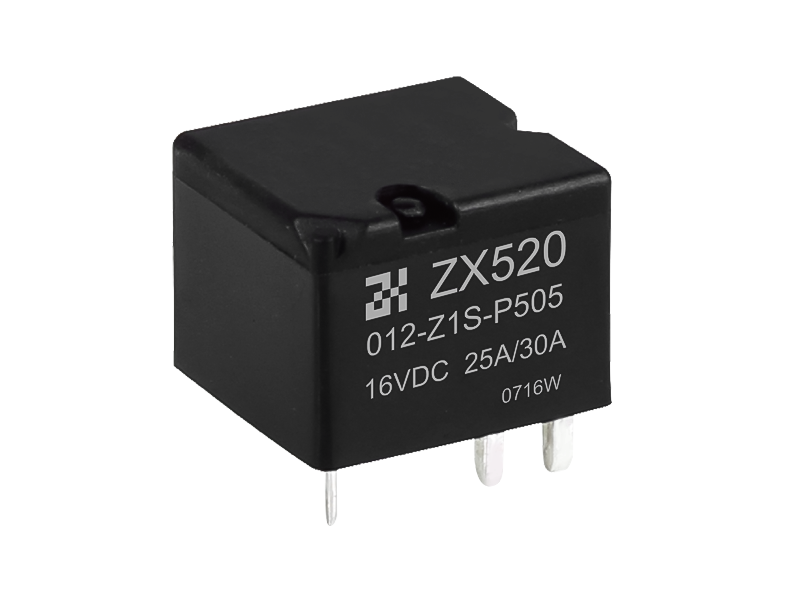
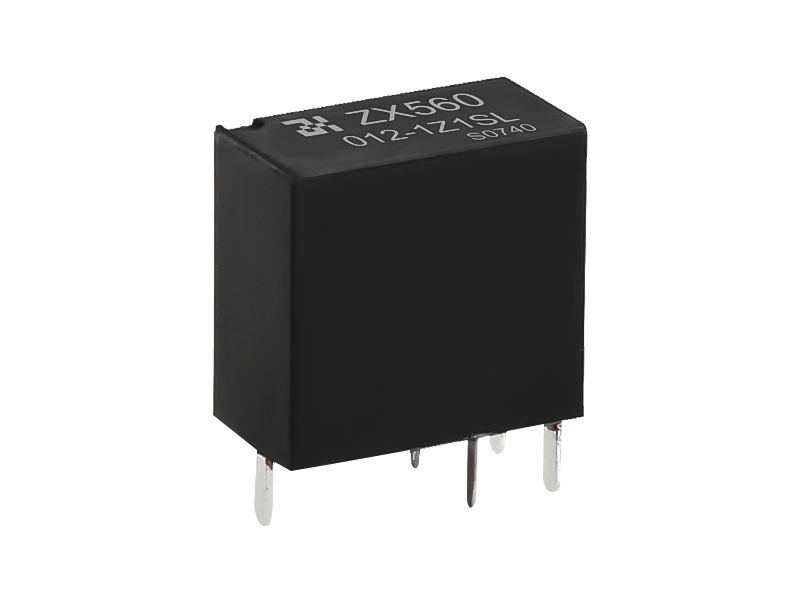
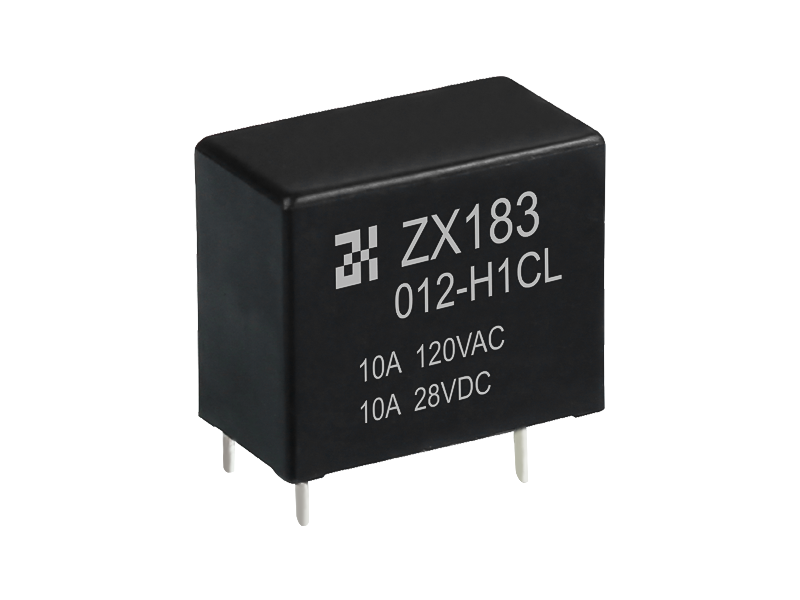
Electromagnetic relay technology continues to evolve, driven by specialized manufacturers committed to quality and innovation. Zhejiang Zhongxin New Energy Technology Co., Ltd. is a high-tech enterprise specializing in the research and development, production, sales and service of high-voltage DC relays for new energy, automotive relays, magnetic holding relays, general electromagnetic relays and other products. Their products are widely used in high-voltage DC and low-voltage AC and DC applications such as automobiles, DC charging piles, photovoltaic power generation, rail transit, energy measurement, reactive power compensation, energy storage equipment, and household appliances.
With more than ten years of relay research and development and manufacturing experience, Zhongxin has built a strong technical team. A number of their technical talents are among the earliest experts in the field of relay research and development in China, bringing substantial technical expertise. The company serves as a standard drafting unit for the domestic magnetic latching relay industry and is a national high-tech enterprise that has undertaken the National 863 Spark Program. In the production process, international standards and quality management standards are fully implemented, and the company has passed ISO9001 and TS16949 management system certifications. Their products hold dozens of national patents.
This combination of deep experience, formal quality systems, and a focus on new energy applications positions Zhongxin as a significant contributor to the electromagnetic relay industry.
Electromagnetic relays remain a cornerstone of electrical control and protection systems. Their simple yet effective working principle—using magnetic force to move a mechanical armature—has stood the test of time. From electromagnetic attraction relays used in automotive circuits to electromagnetic induction relays that protect power grids, these devices offer reliable switching, circuit isolation, low cost, and minimal maintenance.
Q1: How does an electromagnetic relay work?
An electromagnetic relay works by using a coil to create a magnetic field when current flows through it. This magnetic field pulls a movable iron armature, which then opens or closes electrical contacts. When the current stops, a spring returns the armature to its original position, resetting the contacts.
Q2: What is the difference between an electromagnetic attraction relay and an electromagnetic induction relay?
An electromagnetic attraction relay uses direct magnetic pull to move the armature instantly, making it suitable for DC and low-frequency AC switching. An electromagnetic induction relay uses induced current in a disc or rotor to create rotational force, making it more common in AC power system protection applications like overcurrent or differential relays.
Q3: Can electromagnetic relays handle both AC and DC circuits?
Yes, but the coil and contact design may differ. AC relays often include shading rings to prevent contact chatter, while DC relays rely on proper magnetic blowout for arc suppression. It is important to select a relay rated for the specific type of current and voltage in your application.
Q4: What are the main parts of an electromagnetic relay?
The main parts are the electromagnetic coil, the movable armature, one or more sets of electrical contacts, a restoring spring, and a yoke or frame that holds everything together. Some relays also include arc suppression features or auxiliary contacts.
Q5: Do electromagnetic relays require regular maintenance?
Under normal conditions, electromagnetic relays require very little maintenance. Occasional inspection and cleaning of contacts to remove oxidation or dust is recommended. In high-switching or dirty environments, more frequent checks may be needed, but overall, they are considered low-maintenance devices.


Copyright © 2015-2021, Zhejiang Zhongxin New Energy Technology Co., Ltd. All rights reserved Technical Support:Smart cloud Electromagnetic Relay Manufacturers China Relays Factory


 English
