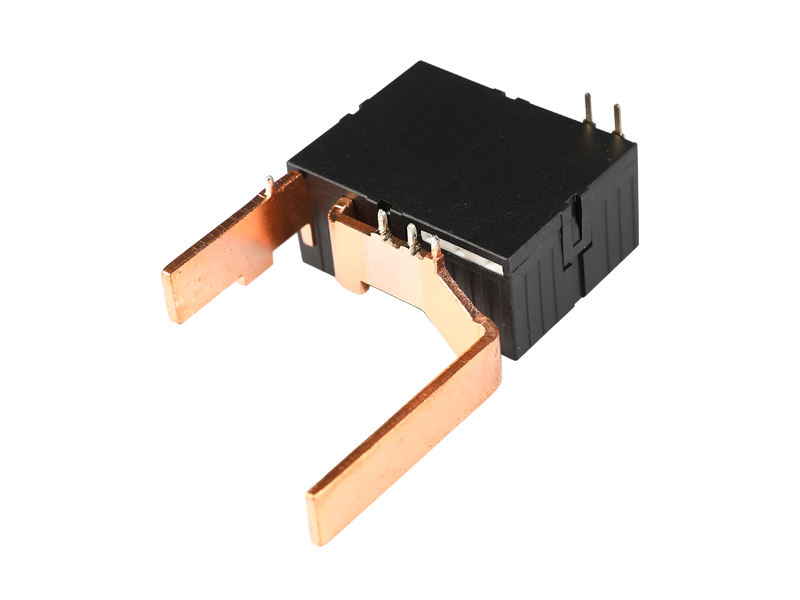
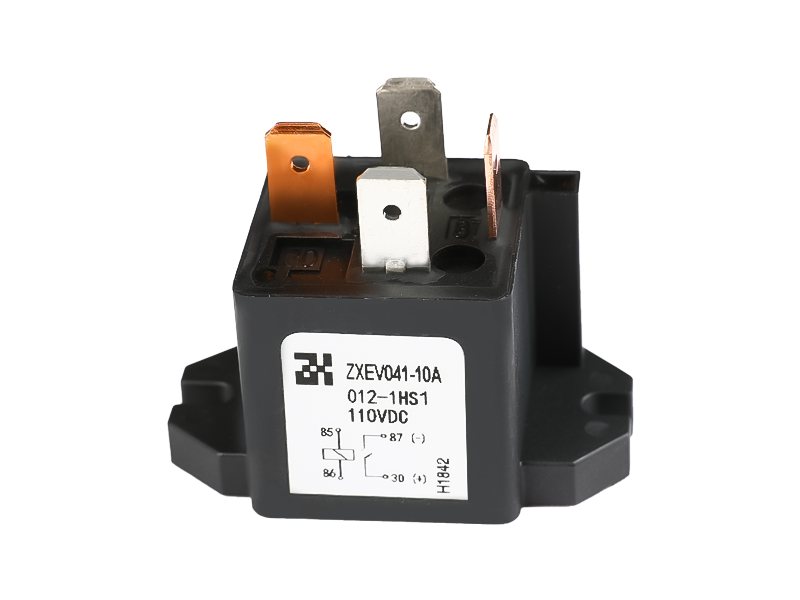
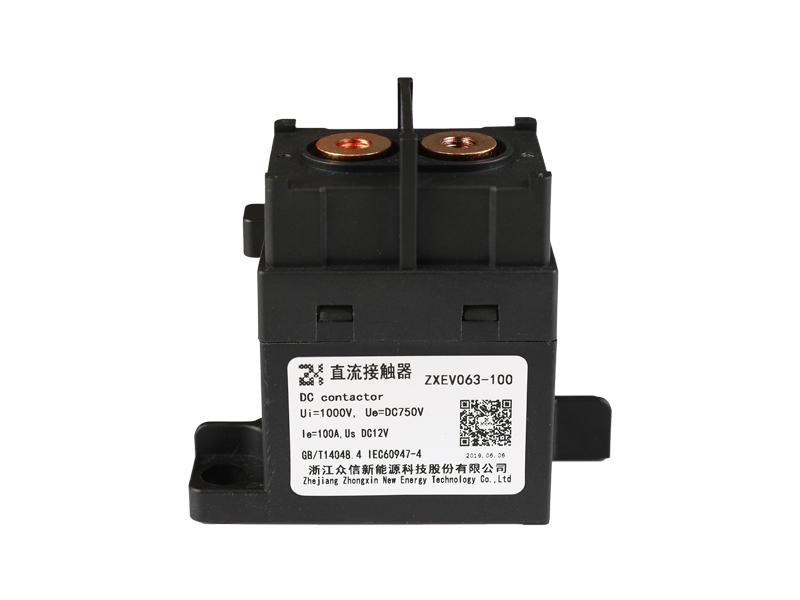
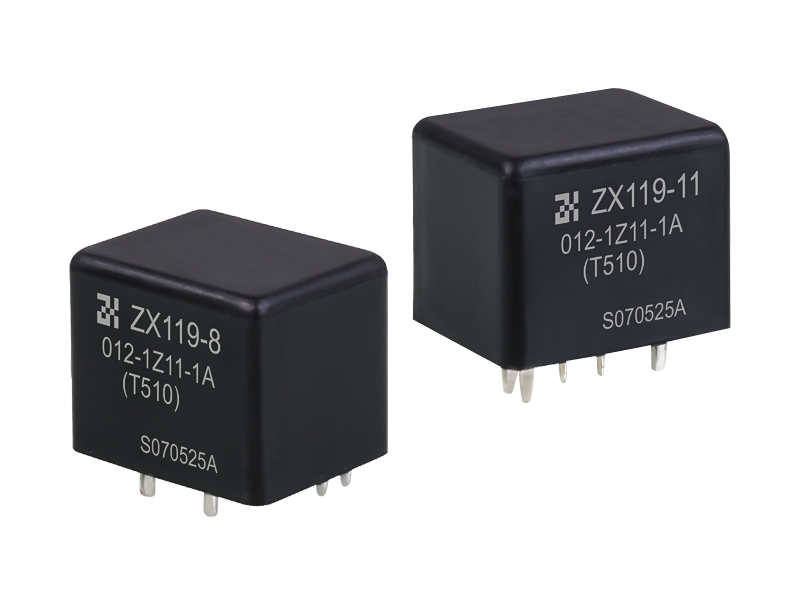
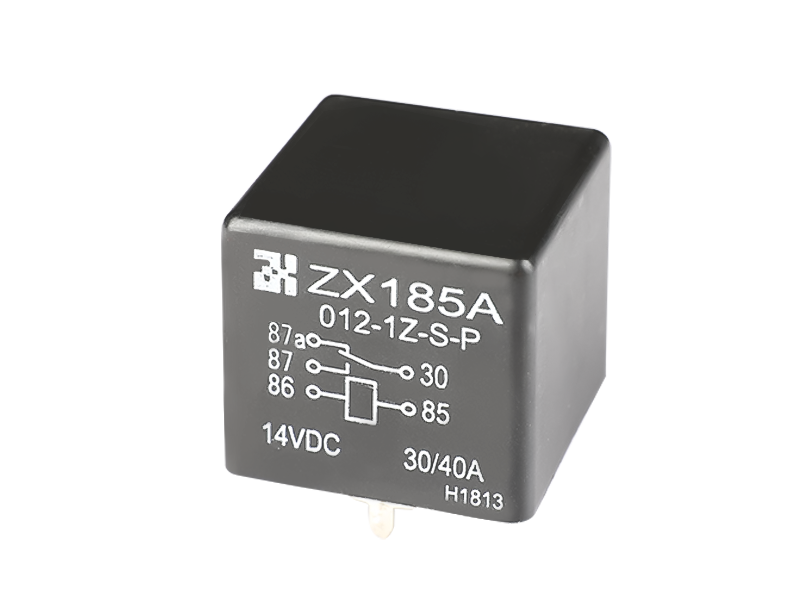
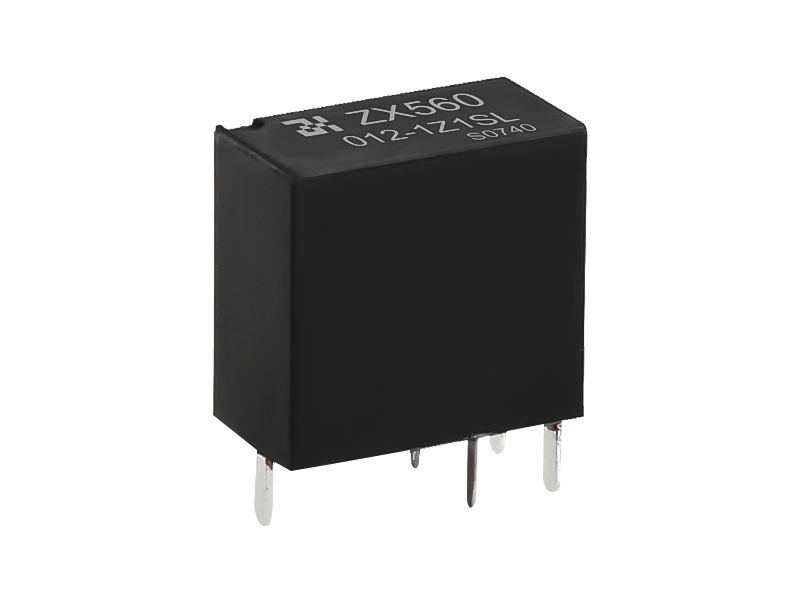
In the complex network of automotive electronic systems, PCB automotive relays are like precise electrical "switch hubs", which undertake the key functions of circuit switching, signal conversion and load control. Their performance is directly related to the stable operation and reliability of the vehicle electrical system. Inside this product, contact technology, as a core element, is like the "nerve endings" of the relay. With the precision design and material properties at the micro level, it dominates the electrical performance and service life of the entire relay.
The micro code of the foundation of performance
The selection of PCB automotive relay contact materials is the cornerstone of building its reliable performance. The operating environment of automobiles is full of challenges. High temperature, high humidity, vibration and frequent current shocks require contact materials to have conductivity, resistance to welding and corrosion resistance. The silver-based alloy materials commonly used in the early days occupied an important position in the relay field due to their good electrical and thermal conductivity. However, with the improvement of environmental protection requirements and technological development, new cadmium-free silver alloy materials have gradually become mainstream. Through special proportions and process treatment, these materials can significantly enhance the arc erosion resistance while maintaining high conductivity, reduce the ablation and wear of contacts during frequent switching, and ensure the long-term stable operation of relays under complex working conditions from the essence of the material.
Precise consideration of microscopic design
The design of the contact structure is a precision engineering in the microscopic world. It not only needs to meet the low resistance requirements of electrical connections, but also withstand mechanical stress and arc shock. Reasonable contact shape can optimize current distribution, increase effective contact area, and reduce energy loss and heat caused by contact resistance. The precise control of contact pressure is an art of balance. Too little pressure will to poor contact and arc generation, while too much pressure will accelerate contact wear. Through precise structural design, the contacts can effectively cope with dynamic environments such as vibration and impact during vehicle operation while ensuring reliable conduction, maintain stable electrical performance, and ensure that the relay works efficiently in the automotive electrical system.
Contact Technology’s Countermeasures
Arcs are an inevitable “byproduct” of the on-off switching of PCB automotive relay contacts. They not only accelerate the corrosion and aging of contacts, but also generate electromagnetic interference to surrounding circuits, affecting the normal operation of automotive electronic systems. To solve this problem, contact technology adopts a variety of strategies. In circuit design, the generation and duration of arcs are suppressed by adding absorption circuits and other methods; in relay structure, arc extinguishing devices are used to quickly extinguish arcs. In terms of electromagnetic interference, systematic optimization has been carried out from contact material selection to overall relay shielding design to reduce the interference generated when contacts are working, improve the anti-interference ability of relays, and ensure that the automotive electrical system remains stable and reliable in complex electromagnetic environments.
Co-evolution of contact technology and automotive electrical systems
With the development of automotive intelligence and electrification, the performance requirements for PCB automotive relays are constantly increasing. Higher voltage platforms and more complex electrical architectures pose new challenges to relay contact technology. Contact technology needs to continue to make breakthroughs in material innovation, structural optimization, and functional integration to meet the needs of the ever-increasing upgrade of automotive electrical systems. From traditional fuel vehicles to new energy vehicles, contact technology has always been in sync with the development of the automotive industry, becoming the core driving force for promoting the performance of PCB automotive relays and ensuring the safe and stable operation of automotive electrical systems.

Copyright © 2015-2021, Zhejiang Zhongxin New Energy Technology Co., Ltd. All rights reserved Technical Support:Smart cloud Electromagnetic Relay Manufacturers China Relays Factory


 English
