
Automotive relays are essential components in modern vehicles that help manage electrical systems efficiently. They act as switches that control high-power devices such as lights, horns, and motors, using a low-power signal. Understanding how automotive relays work is vital for anyone involved in vehicle repair, manufacturing, or electrical engineering.
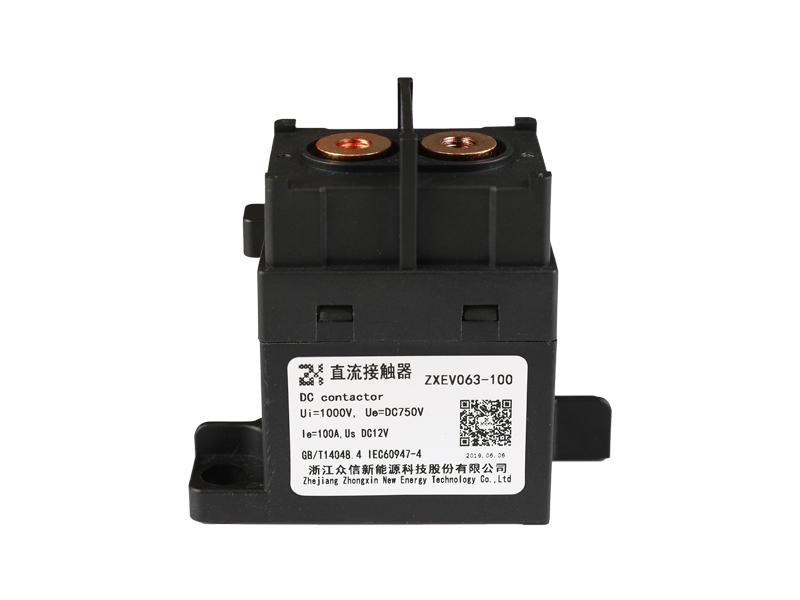
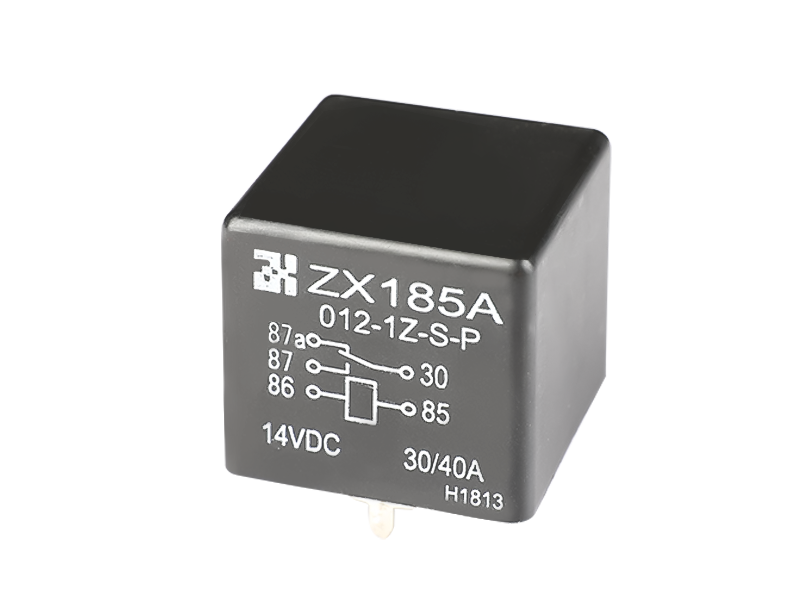
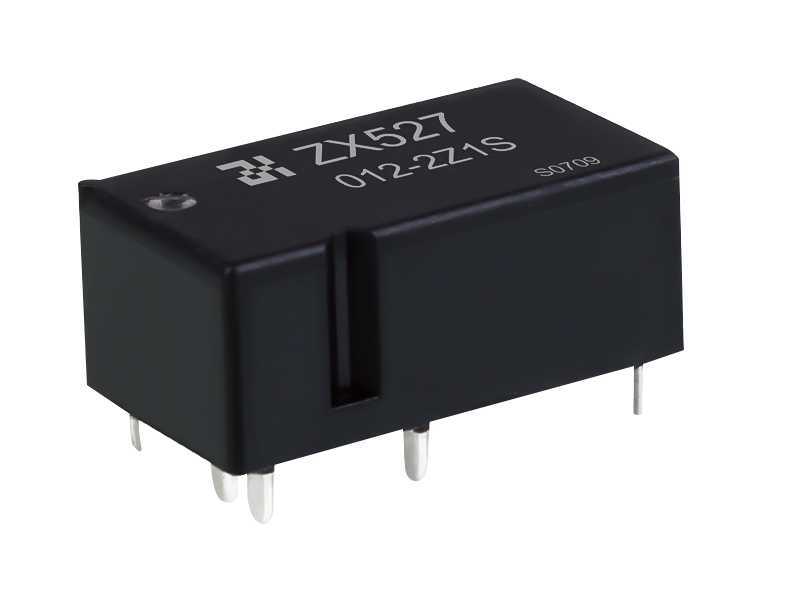
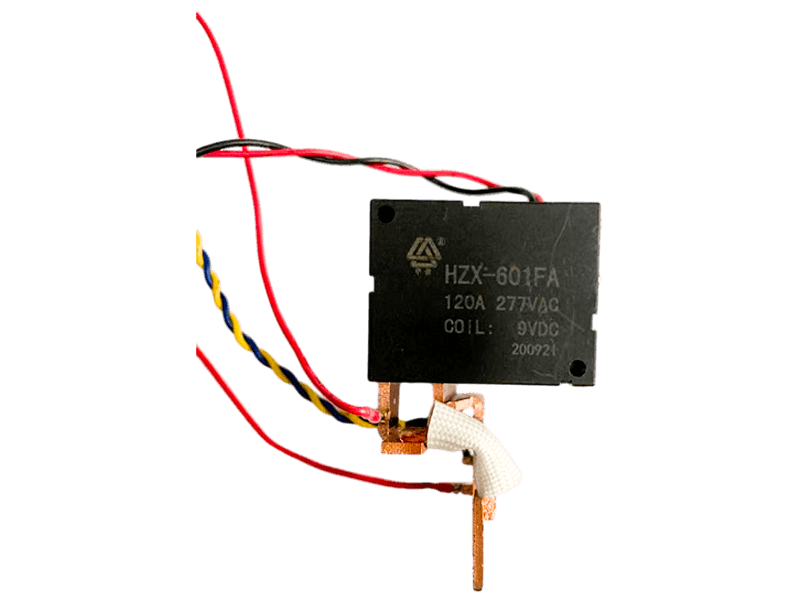
Automotive relays are electrical devices that allow the switching of high-current circuits using a low-current signal. The role of automotive relays in a vehicle is to facilitate smooth operation by controlling electrical functions without requiring a large amount of power for each operation.
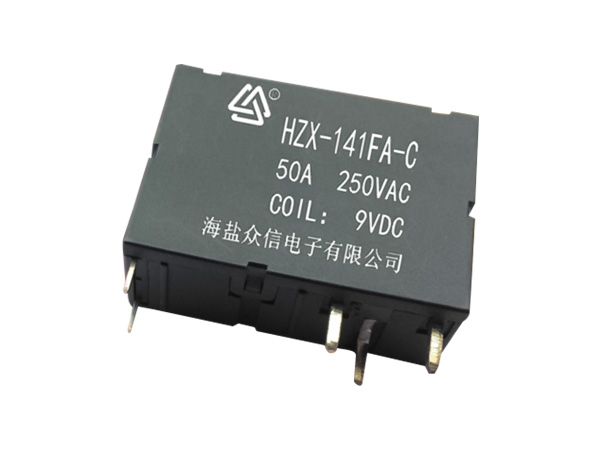
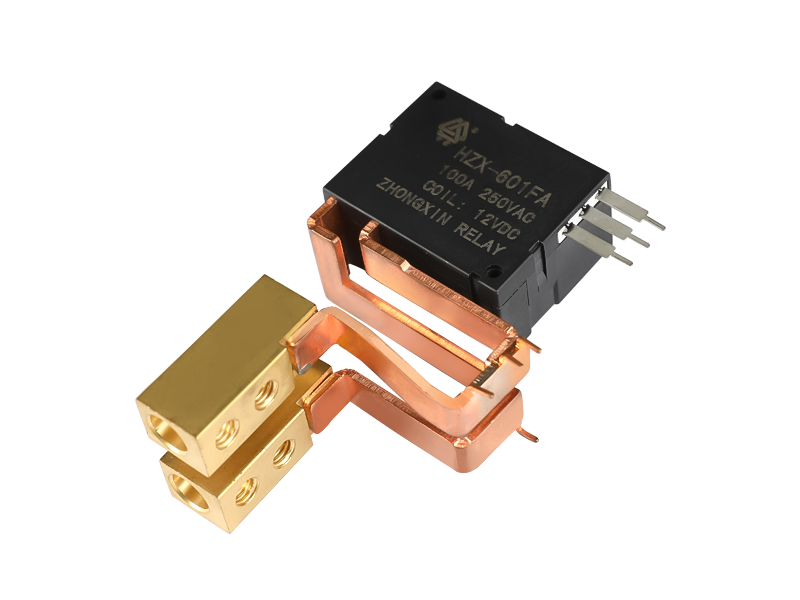
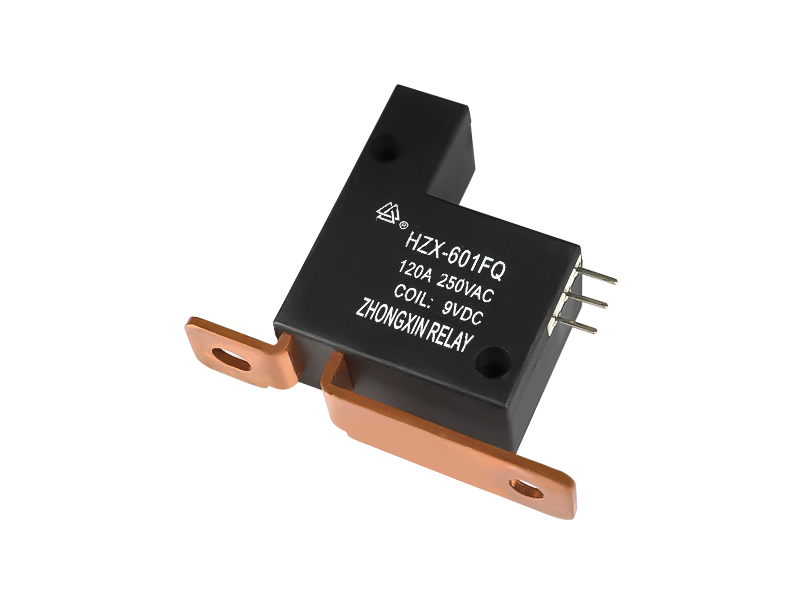
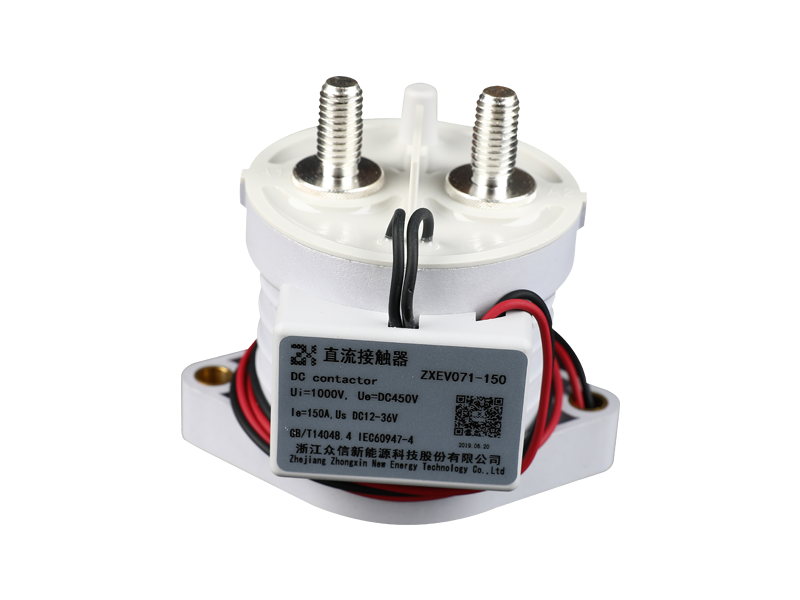
An automotive relay is a simple, compact device that consists of an electromagnetic coil, a switch, and contacts. When an electrical current flows through the coil, it creates a magnetic field that causes the switch to either open or close. This action enables or disables power to various components in the vehicle. Automotive relays are often used in systems such as the ignition system, lighting circuits, and fuel pumps.
The working principle of an automotive relay is straightforward. When a current flows through the coil, the resulting magnetic field activates the switch. This can either complete the circuit (closing the contacts) or break it (opening the contacts). The relay’s ability to handle high power with a low control signal makes it a crucial part of the vehicle’s electrical system.
Automotive relays are integral to the proper functioning of a vehicle’s electrical systems. They contribute to the safety, reliability, and performance of various components, such as the engine control unit (ECU), airbag systems, and other electrical systems that demand high current but need to be controlled by low-power inputs.
Automotive relays protect the vehicle’s electrical system by preventing overheating, overloading, and short-circuiting, thus enhancing overall safety. By isolating circuits from high-power devices, relays also ensure that sensitive components are not exposed to electrical damage.
In vehicles with advanced electrical and control systems, relays play a critical role in ensuring that the right components receive power when needed. Their reliability is paramount in reducing vehicle downtime and preventing malfunctioning electrical systems.
Automotive relays are used in numerous applications within vehicles. Some common uses include:
| Specification | Description |
|---|---|
| Coil Voltage | 12V or 24V, depending on vehicle power system |
| Contact Rating | Ranges from 10A to 100A for heavy-duty applications |
| Contact Type | Normally open (NO) or normally closed (NC) |
| Operating Time | Typically less than 10ms for fast switching operations |
| Contact Material | Silver alloy, copper, or gold plating for durability |
When selecting automotive relays for specific applications, several factors must be considered:
Automotive relays control high-current circuits by using low-power signals, enabling efficient operation of various vehicle components.
While both are protective devices, relays control the flow of electrical current, while fuses act as a safety device that blows when excessive current is detected.
Yes, automotive relays are generally easy to replace. However, it is crucial to choose the correct relay type and ensure compatibility with the vehicle’s electrical system.
Yes, like any electrical component, automotive relays can fail. Common causes include overheating, corrosion, or mechanical wear on the internal switch.
Symptoms of a faulty relay may include non-functional electrical components, intermittent power loss, or a vehicle that fails to start.
In summary, automotive relays are indispensable components that ensure the smooth operation of a vehicle’s electrical systems. Understanding how they work and their role in modern automobiles is crucial for anyone working with automotive electronics.

Copyright © 2015-2021, Zhejiang Zhongxin New Energy Technology Co., Ltd. All rights reserved Technical Support:Smart cloud Electromagnetic Relay Manufacturers China Relays Factory


 English
